Enikó Balla
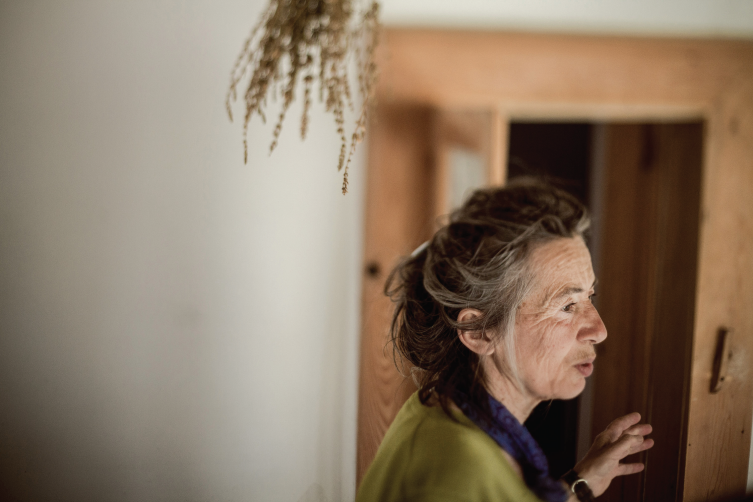
It has surely happened to you in life that unexpectedly, and by pure chance, you met someone who made such a powerful impression on you that the memory of them remained with you forever. That is how I met Mrs. Enikő Balla. I was looking around Sátoraljaújhely for a good cheese to pair with Tokaj wine. I was looking for cheese and found an extraordinary person in an enchanting setting, living in perfect harmony with her animals and herself. The humility and boundless peace radiating from her stayed with me long after leaving her old cottage, and I wasn't satisfied until I returned to her again.
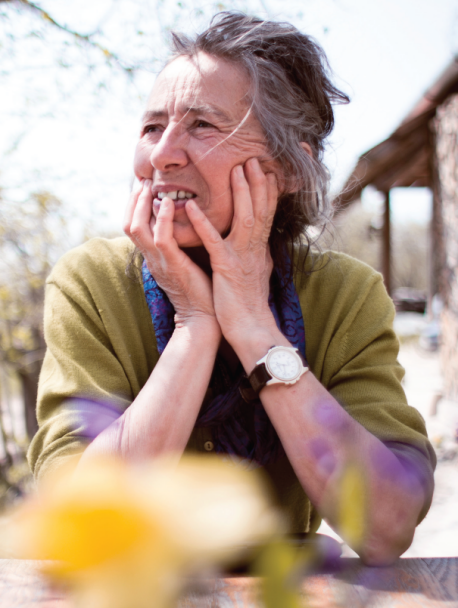
Mrs. Enikő, you are an example of someone who, after a colorful and even adventurous life, finally returns to the nest they once flew out of.
“Not quite. This house is not my parents' house. It is my grandmother's house.”
Could you tell us about your life's journey in more detail? From our previous conversation, we already know that you emigrated from Hungary as a young girl and then spent a relatively long period living in Germany.
“Yes, that's right. However, I didn’t emigrate from Hungary. I decided not to return home while I was on vacation in Yugoslavia. It was in August 1968, when Soviet troops began occupying Czechoslovakia. The entire civilized world was deeply outraged at the time, and even though I wasn’t from Czechoslovakia, everyone was incredibly helpful and went out of their way to support me as a resident of the Eastern Bloc. I left Hungary as a university-educated economist. Since I knew how to work with computers—at that time they weren't personal computers yet, but large mainframes that ran on punch cards—I found a job quickly. I started working at a sociological research institute. After receiving a scholarship, I also began studying sociology. I studied at the Universities of Cologne and Frankfurt.”
When did you decide to return to Hungary?
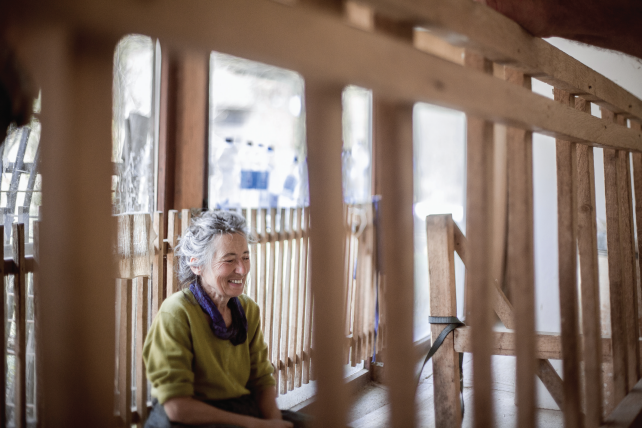
“I visited Hungary for the first time still under socialism, after 14 years in emigration. Even though I had a German passport and had never been officially sentenced for my emigration, I couldn't know how the authorities of that time would react. I had great anxiety about whether I would be able to return to Germany. To better secure my return, I decided to get married. At that time, people from the Eastern Bloc were entering into marriages with Westerners to get out. I got married so that I could come home. I only moved here permanently in 1991.”
Did you start farming the land right after returning home?
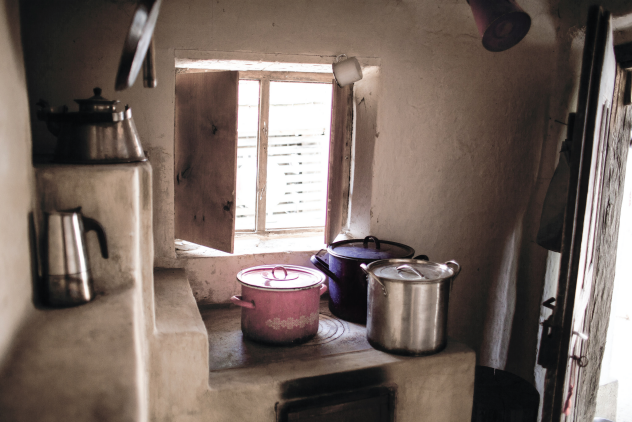
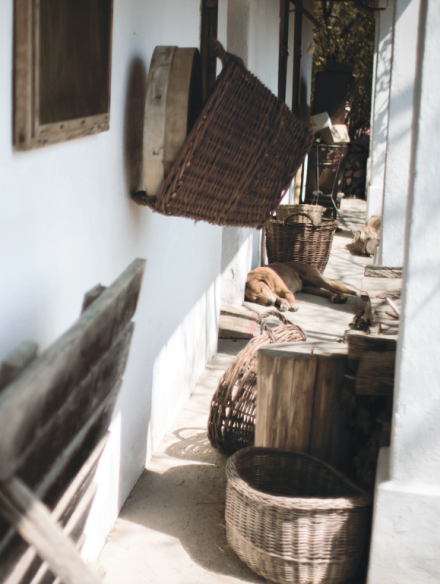
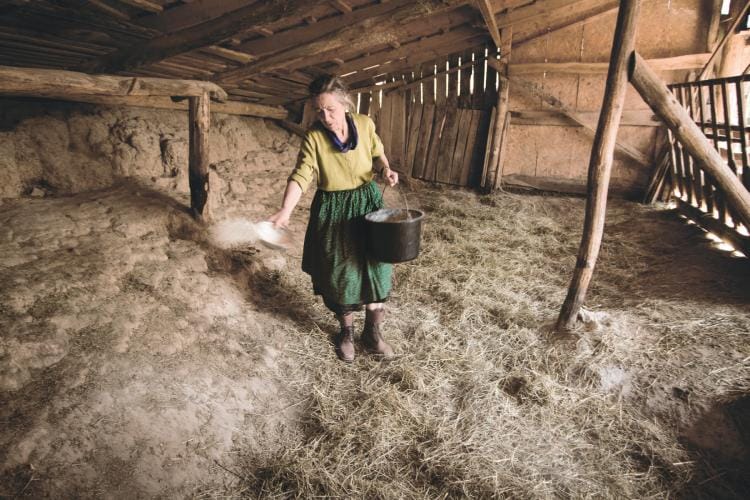
“No. For the first ten years after my definitive return home, I lived in Budapest. During this period, I read a lot about biodynamic agriculture, visited farms in Switzerland, and talked extensively with people who already had experience, but it wasn't a systematic study through any official course or university. It was a period of slow maturation. At the end of it, after a conversation with my brother, I decided to return to my roots and move into this cottage, to which I am bound by powerful memories and where I spent a wonderful childhood with my grandmother.”
You practice biodynamic agriculture, which is one of the most demanding methods of farming the land, based on the anthroposophical principles of Rudolf Steiner. Did your study of sociology lead you to this?
“Not at all. I was led to it by my stomach. At a certain point in my professional life, I was involved with Waldorf schools. During my visits to these schools, I was served simple but extraordinarily delicious meals that reminded me of my grandmother’s cooking.”
What were your beginnings like?
“Difficult. Theoretically, I had studied quite a bit, but I had very little practical experience. Naturally, I made many mistakes. For instance, my attempt at raising chickens was an absolute failure. I didn’t know that a rooster feels satisfied only when he has at least eight hens around him. I started raising them in pairs, and you can imagine how this attempt at building monogamous relationships among poultry turned out. It had tragic consequences, especially for the poor hens.”
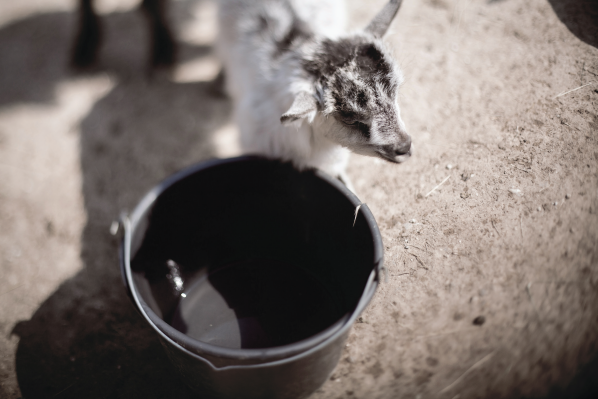
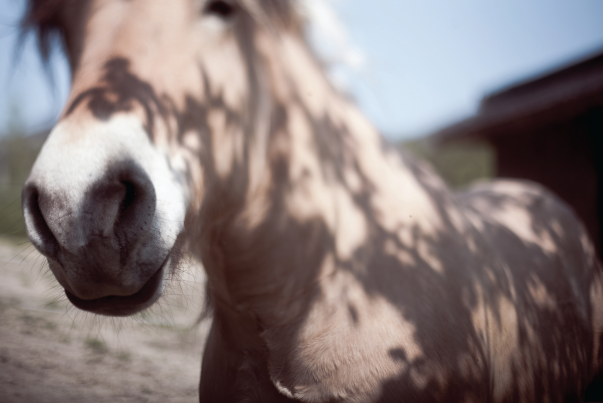
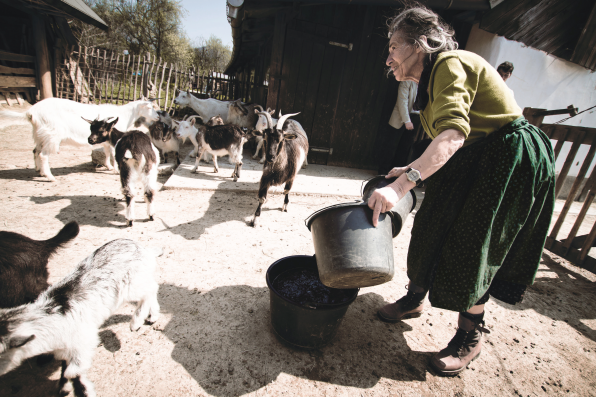
Today, however, you are in a different place. You are a member of the board of trustees of the Hungarian biodynamic association Demeter, the goats look happy, and your cheese is famous. What is the secret to making your cheese?
“I have no secret recipes. I use historical methods traditional to this region. My technology is very simple. Just like my life.”
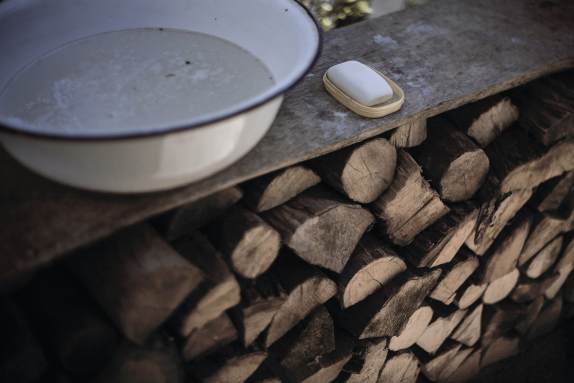
What does your clientele look like?
“Although I am also an economist, money does not play a major role in my life. Therefore, the demand for my cheese is much greater than the volume I am able to produce. The cheese is mainly bought from me by local winemakers for the guests of their wine cellars, and I also supply the kitchen of a very good hotel in Budapest. Since I live in a very poor corner of Hungary, I sometimes also give my cheese away as a gift to people who appreciate it but cannot afford it.”
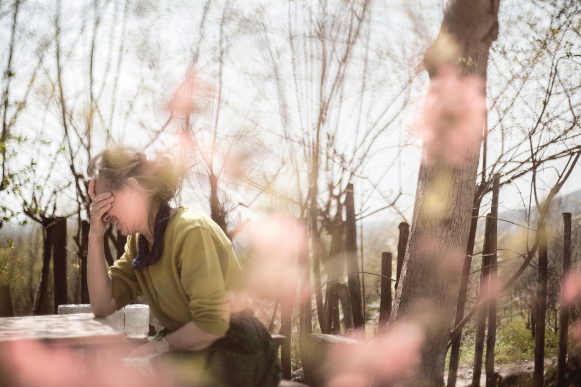
Your experience could be beneficial to many goat breeders or cheesemakers. Are you willing to share what you know with them?
“It wouldn’t be the first time. I have already hosted many similar visits, and in the future, I will be glad to welcome people who are interested in my work. As long as they are comfortable with the modest conditions in which I live, they are welcome at my homestead. We can converse in Hungarian, German, or English.”
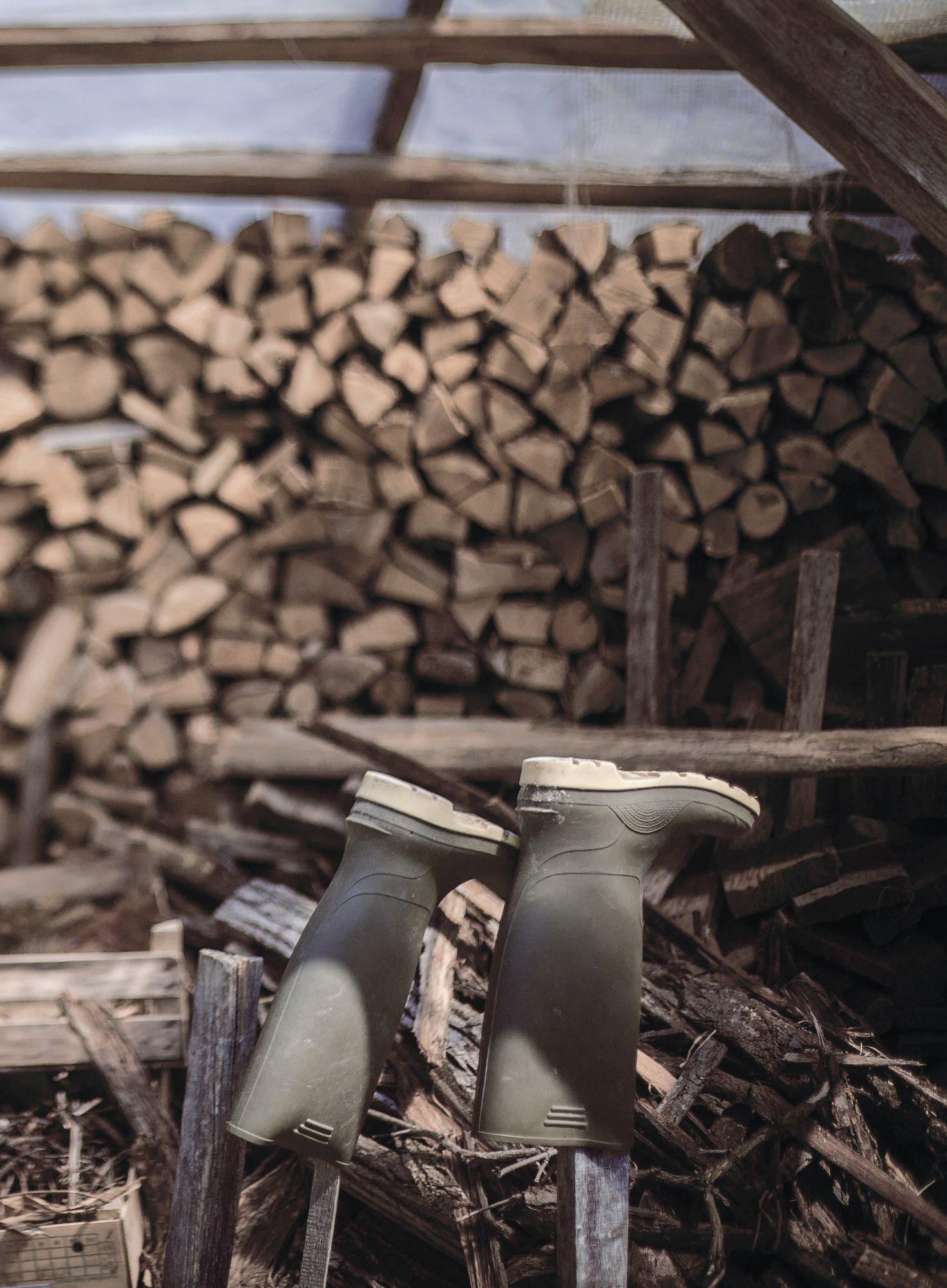
She left to be free. She returned for the exact same reason.
Text: Vladimír Jenčurák, Photo: Tereza Sejková, Naty Ščamborová