Anno 1733
Field Note, Brežany
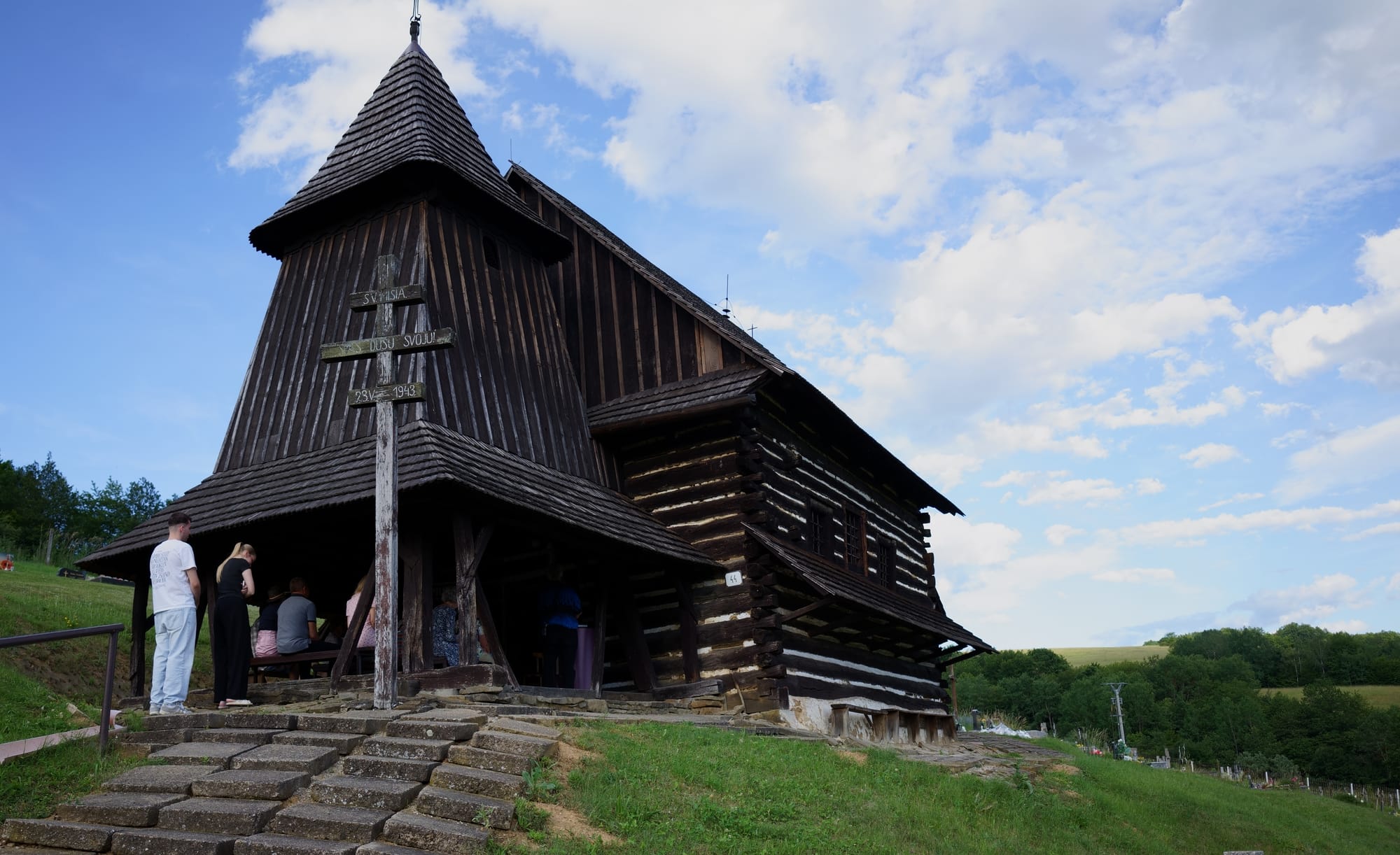
Not everyone could fit inside the wooden Church of Saint Luke. Some remained outside beneath the bell tower, sitting on benches, steps, and patches of grass. They could not see the musicians, only hear them.
Yet no one seemed eager to leave. As the music drifted through the open doorway and across the hillside, the small church above Brežany became something more than a place of worship.
On that summer evening in Brežany, music by European composers from different eras filled the air, performed by the acclaimed Hungarian flautist János Bálint and his daughter Boglárka. For a brief moment, the small Greek Catholic church on the hill became a concert hall. Yet not entirely. The music did not remain within its walls. It drifted through windows, cracks, and open doorways, reaching those who could no longer find a place inside. A light breeze carried it further into the village, where it mingled with the sounds of an ordinary evening.
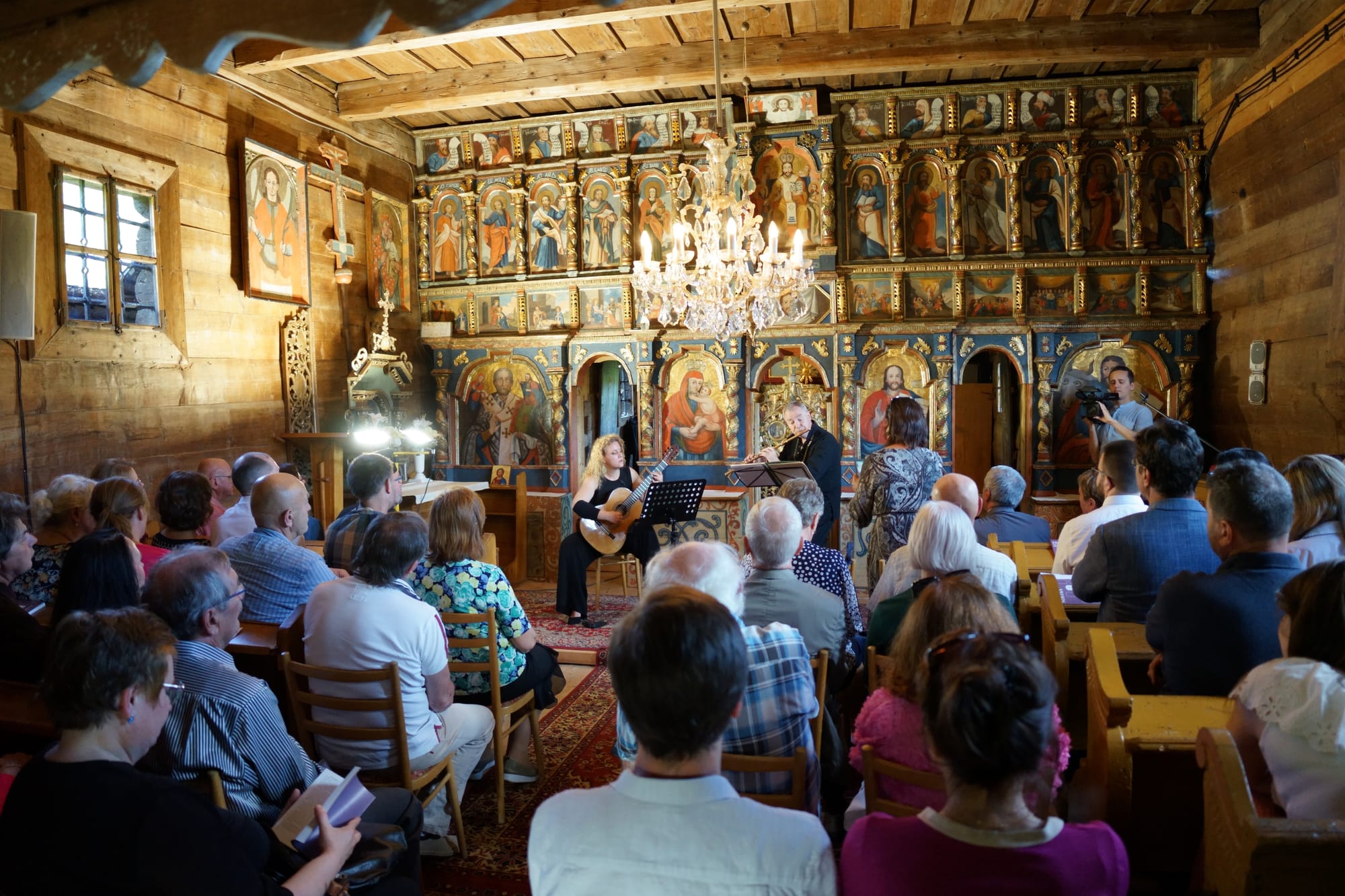
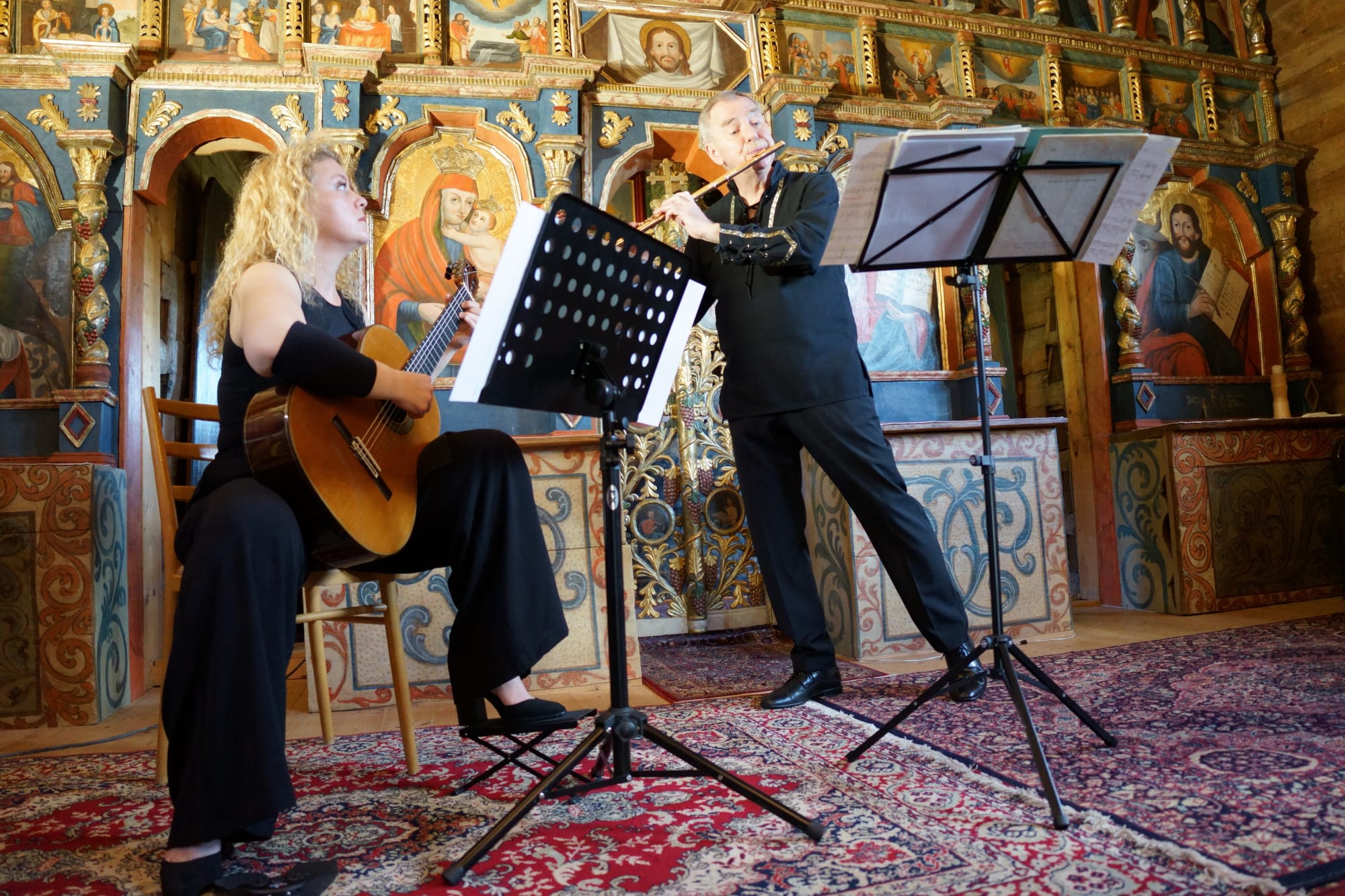
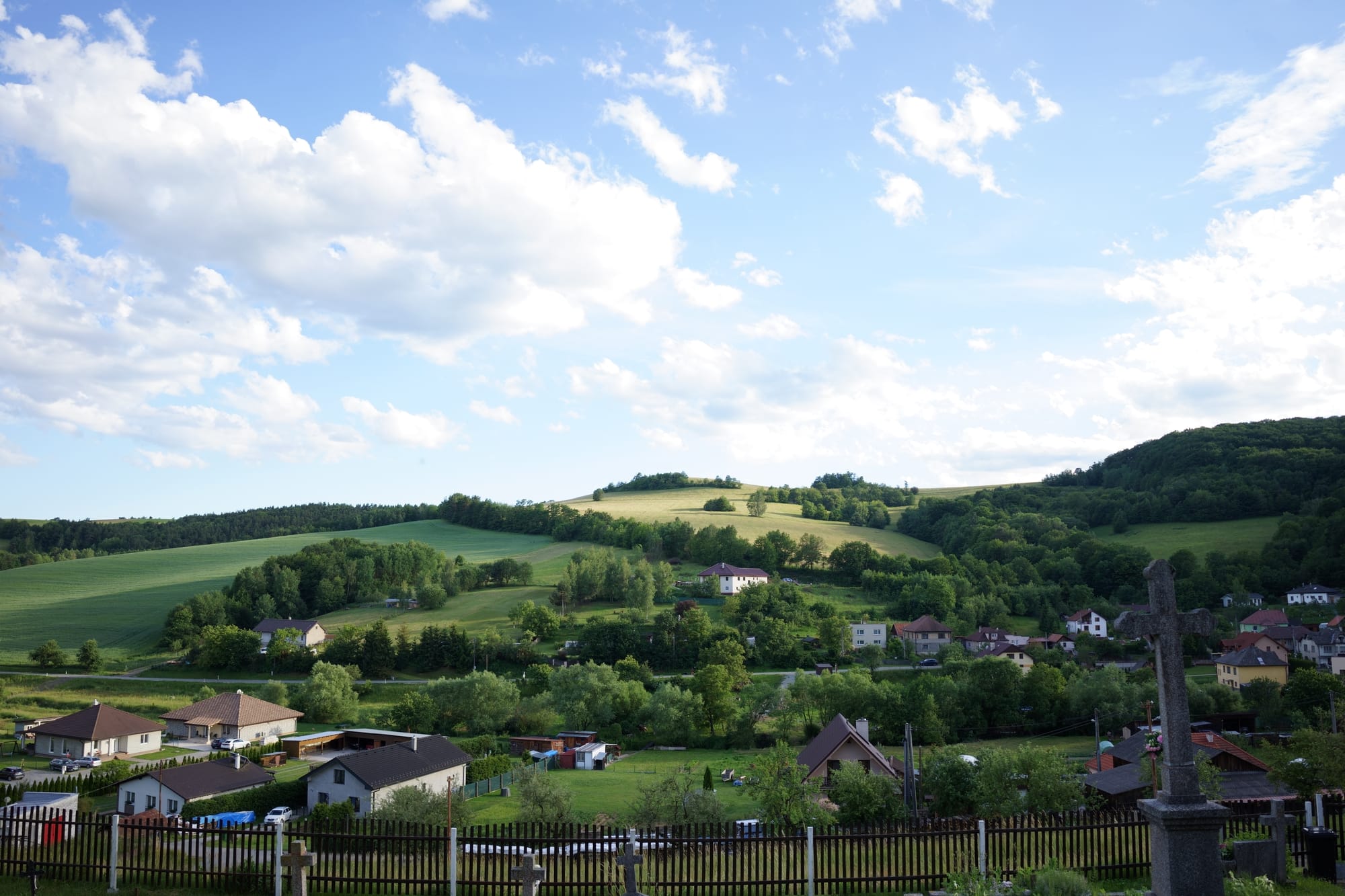
In the dramatic pauses between musical phrases, a rooster could be heard crowing. Somewhere lower in the valley, a tractor passed by. The wind carried the sound of the flute across gardens, the village cemetery, and the surrounding meadows.
None of it felt intrusive. Quite the opposite. For a brief moment, Bartók's melodies—woven from motifs he had collected in villages across the Carpathian Basin—seemed to return to the landscape from which they had once emerged.
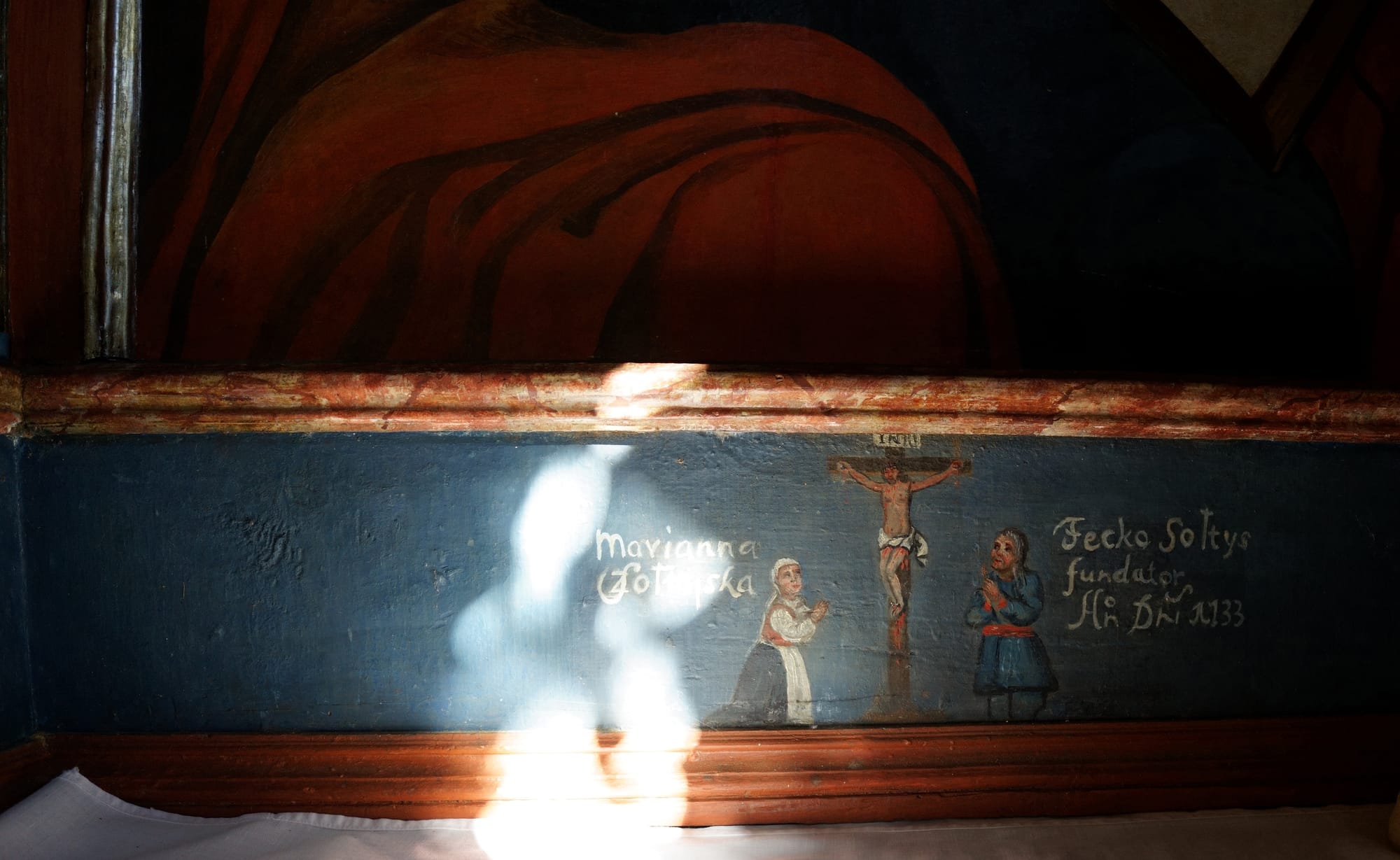
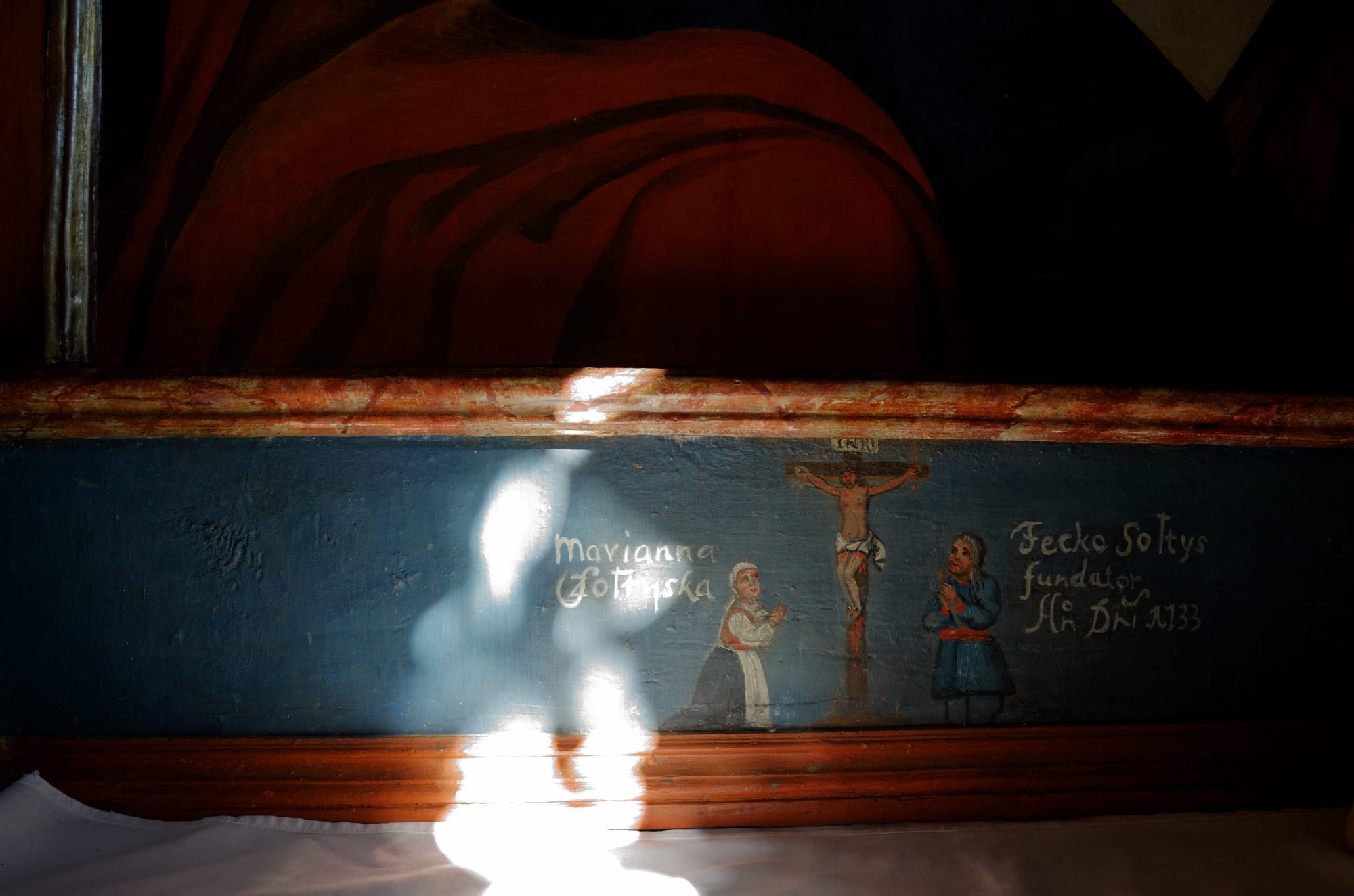
Beneath the central icon of Christ, the founder's inscription has survived. It recalls the man who commissioned the church:
"Fundator Cerkvi Svätej i Calej Roboty toj P.Soltys Teodor Demeteri i vospol z manželku Svoju Mariannu. Ano Dni 1733."
The name of the village reeve, Teodor Demeter, and that of his wife Marianna have outlived wars, shifting borders, and generations of worshippers. When they had their names inscribed on the iconostasis, they could have known nothing of the concerts that would take place here nearly three centuries later. They could not have known Bartók, nor the musicians who would one day arrive from other countries. Yet for a brief moment, their story and this evening met in the same place.
The wooden church has stood here for generations. People change, as do languages, states, and ways of life. Yet places sometimes preserve connections that no one could have planned in advance.
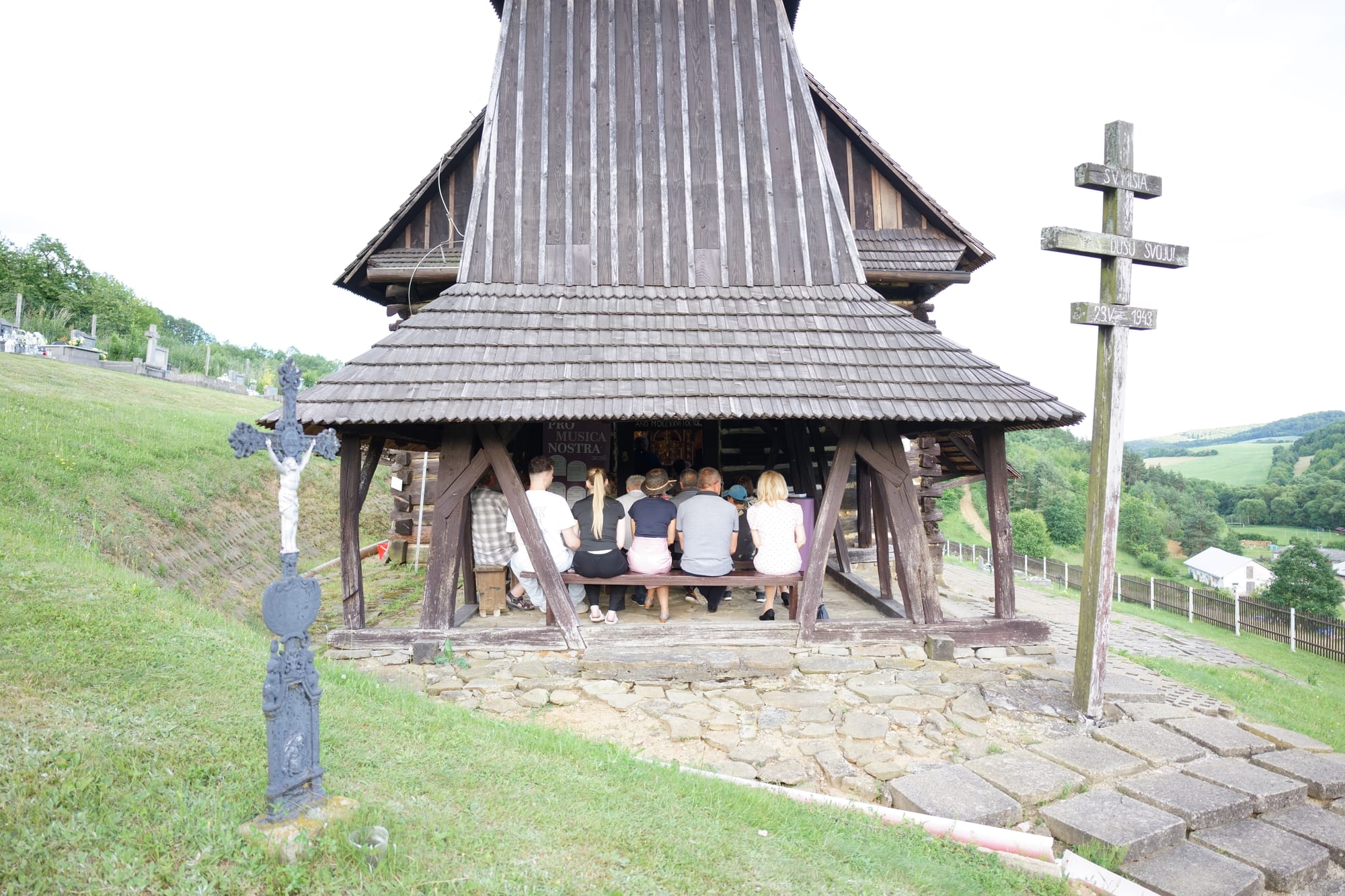
The music drifted outside and, for a brief moment, became part of the village.
Text and Photo: Vladimír Jenčurák