I Had Time and Money. Now I Have Horses
Before a horse learns to follow a human, it must first learn to trust. Pavol Baláž has spent his life understanding this quiet dialogue between patience, craft, and nature.
A modest turn-off from the main road leads to a large gate. Beyond it lie snow-covered paddocks, a handful of buildings, and, across the valley, a view of the snow-capped Tatra Mountains. Were it not for the horses standing in the enclosures, it would be difficult to guess what this place is for. Their presence alone reassures visitors that they have arrived at the right destination. Those with a more discerning eye will recognize Lipizzan horses among them, a sign that they are stepping into the world of carriage horses.
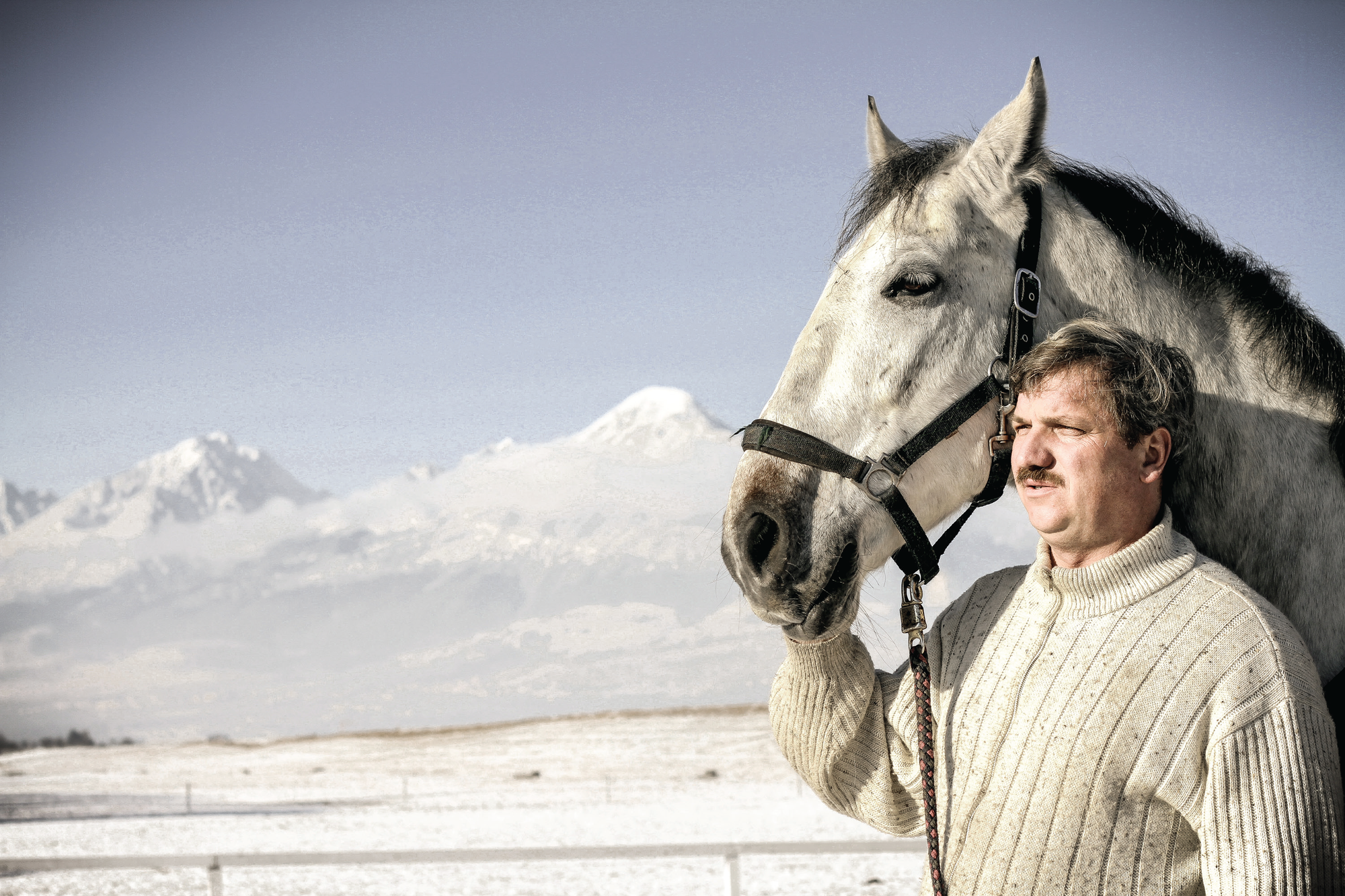
We step out of the car into a sparkling winter morning. In one of the paddocks, a horse stands against the glow of the rising sun, wisps of steam curling from its warm breath into the frosty air. It is the kind of scene that borders on cliché, yet we cannot shake the feeling that something extraordinary awaits us here.
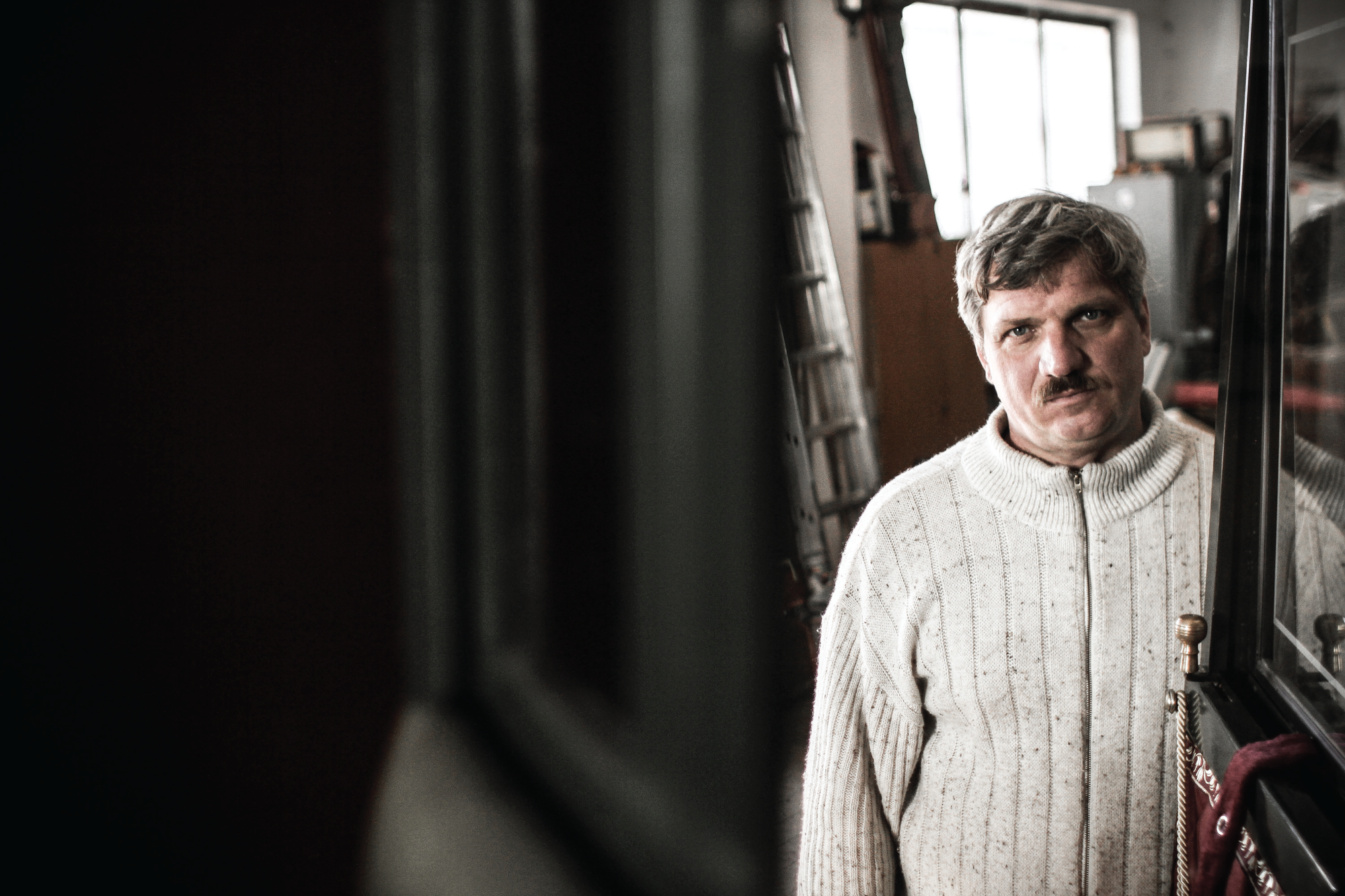
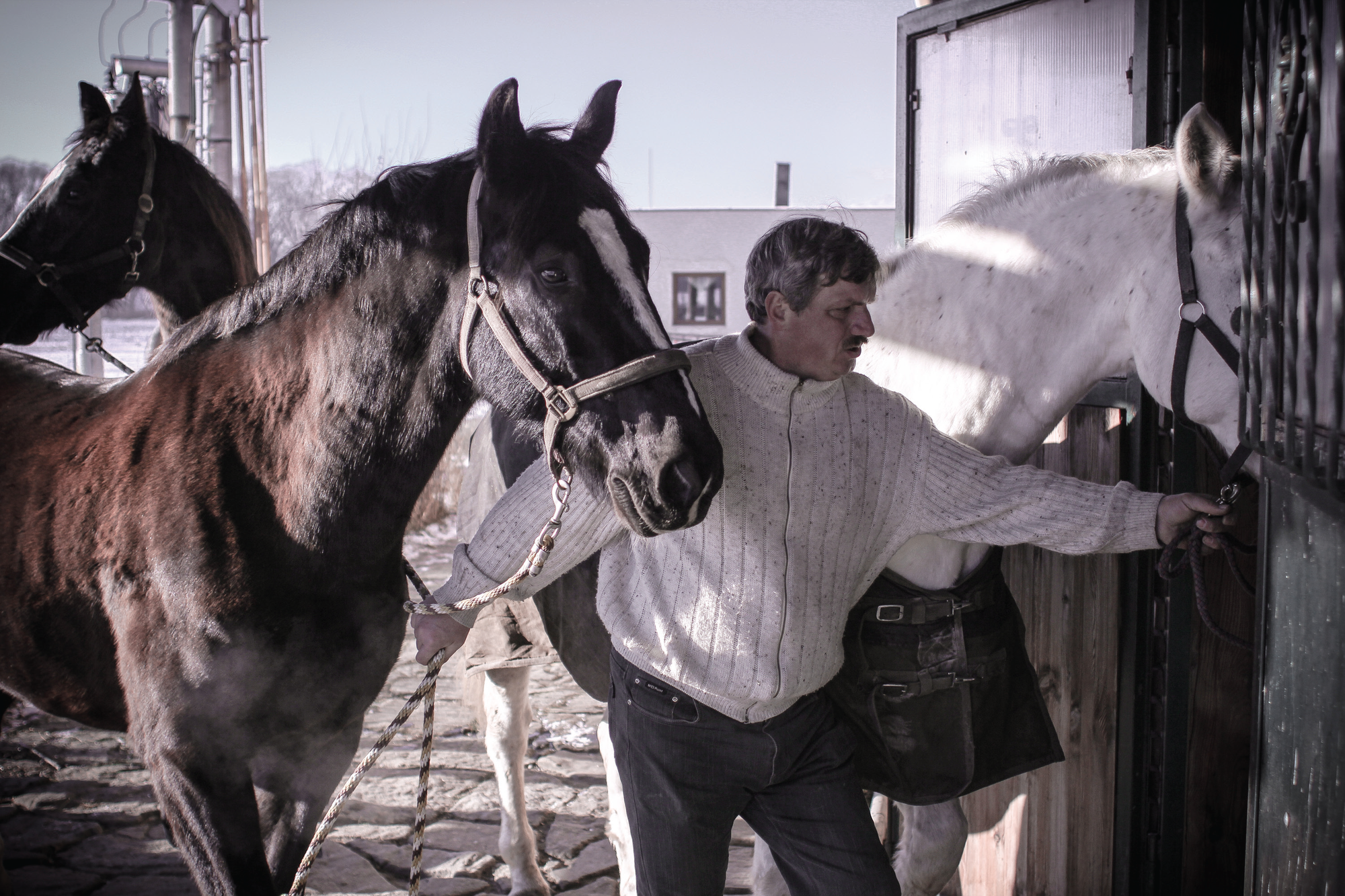
You can recognize Mr. Baláž from a distance by his distinctive gait. It is as much a part of him as the thick woollen sweater he wears. He greets us calmly, though with a certain measure of caution. That initial reserve, however, does not last long.
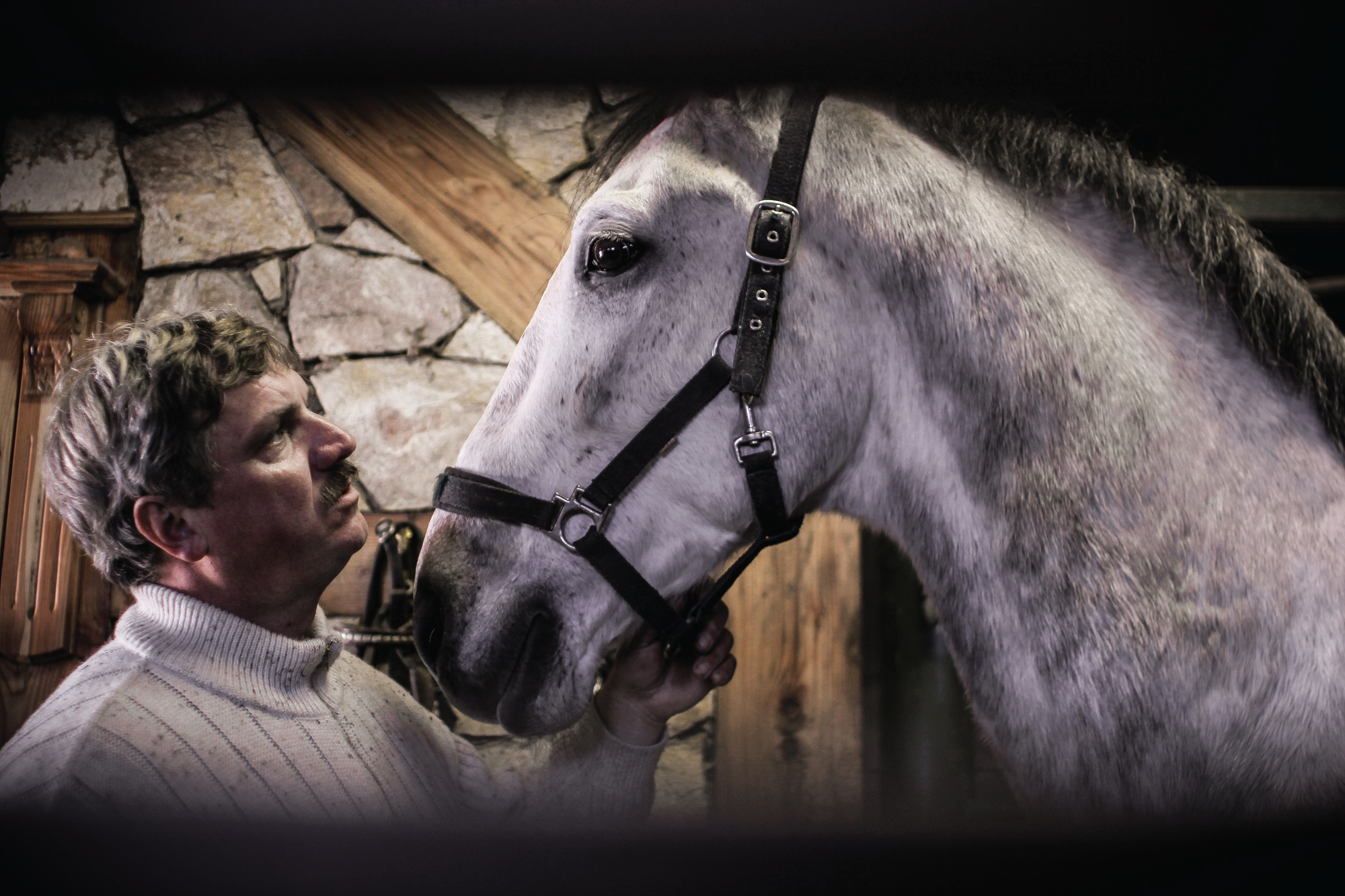
The more time we spend in his company, the clearer it becomes that we are in the presence of someone worth listening to.
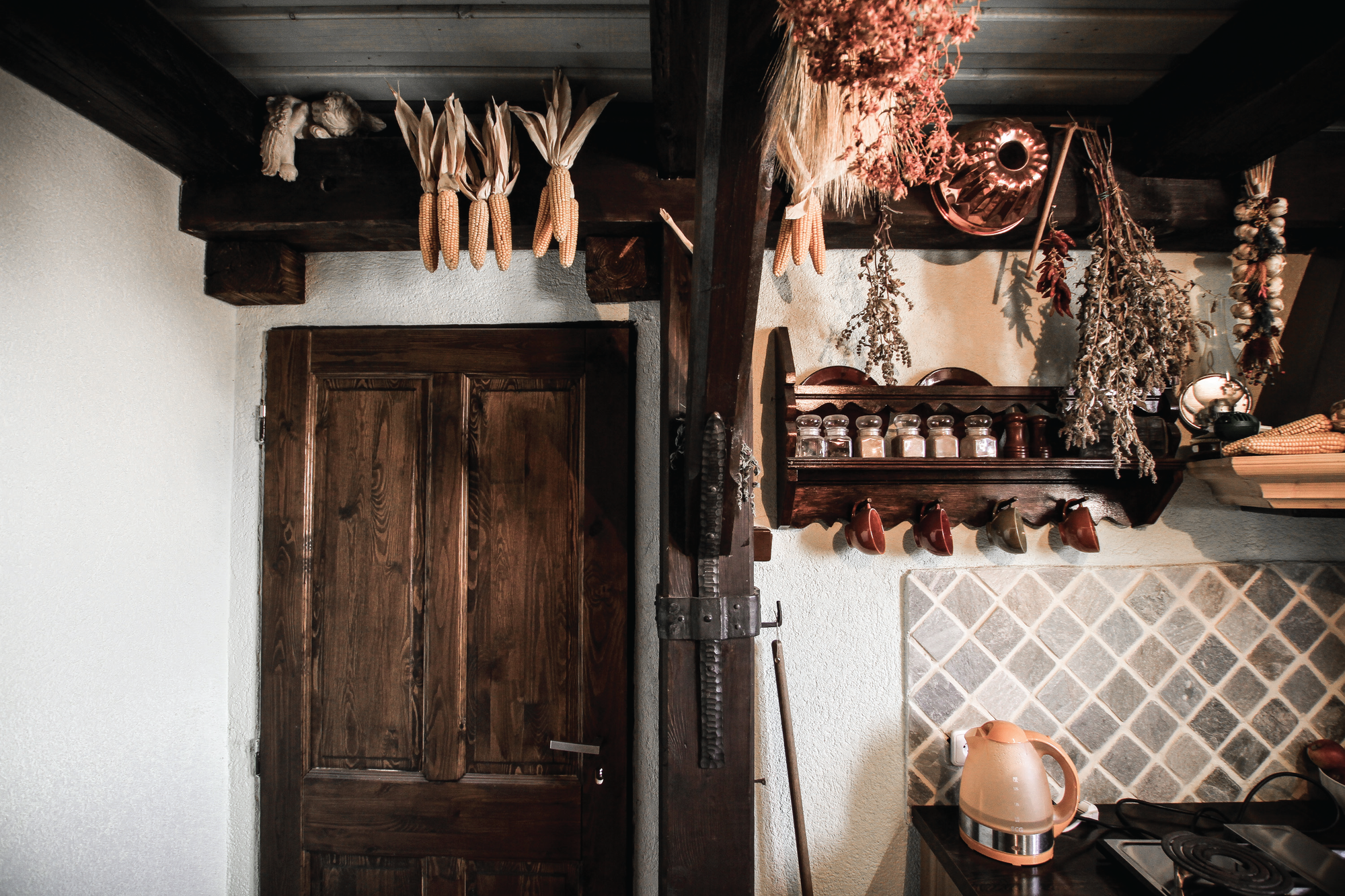
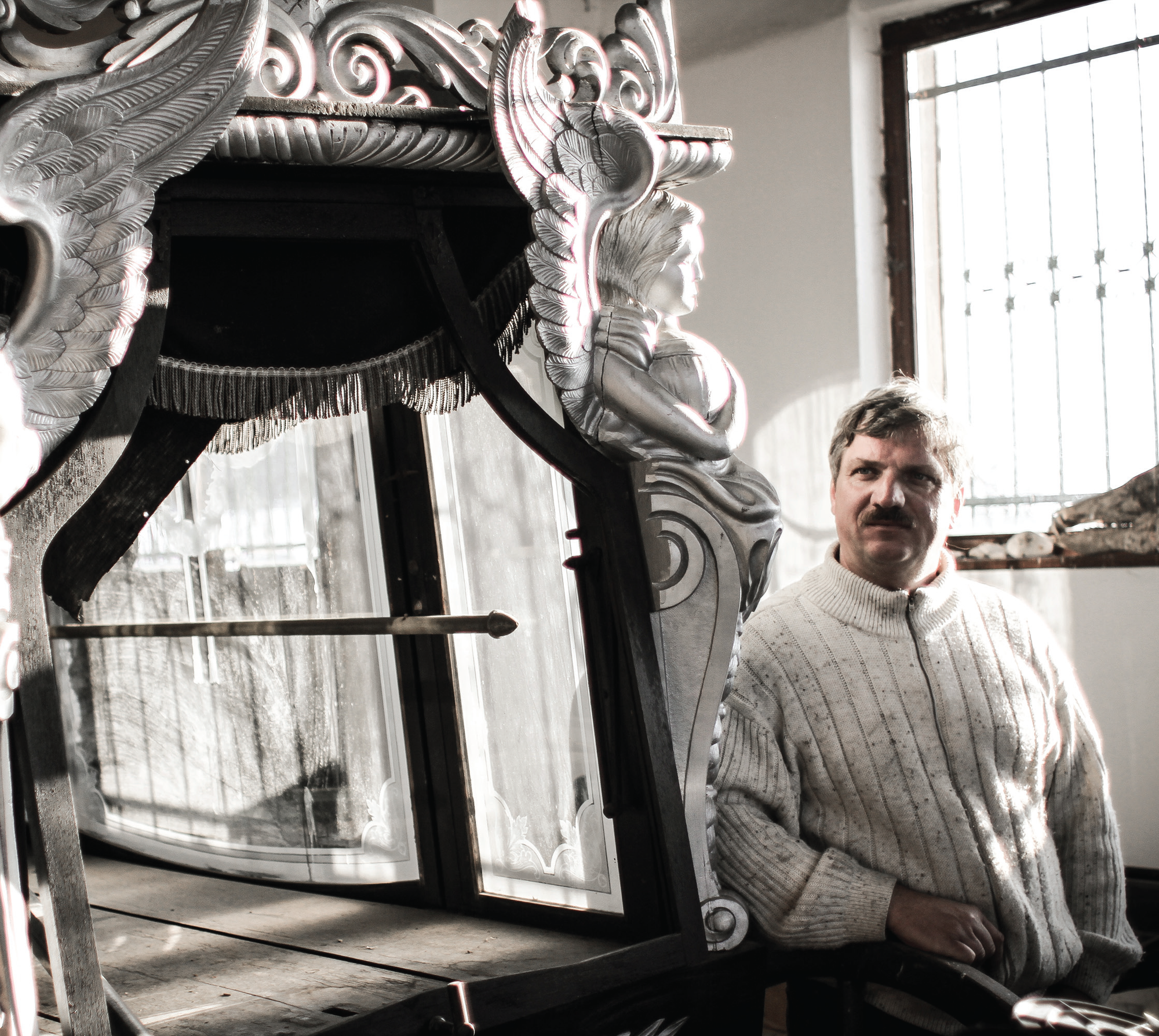
Ornamental wrought-iron gates adorned with horse-head motifs, handcrafted harnesses, historic carriages, watercolours hanging in the workshop, and shelves lined with trophies all reveal the same qualities behind everything around us: craftsmanship, perseverance, and dedication.
Pavol Baláž is, all at once, a top-level carriage horse trainer, a successful competitive driver, a maker of harnesses and other leather goods, the sole owner of Slovakia’s largest carriage museum, and the coachman you may encounter at Štrbské Pleso, where he takes visitors on carriage rides behind his pair of white Lipizzan horses in both summer and winter. Guess which of these activities provides his main source of income.
That is the view from the outside. Yet the stories we hear over the course of our visit suggest something more. Beneath the many roles and accomplishments is a man who is as stubborn and determined as he is perceptive and remarkably sensitive.
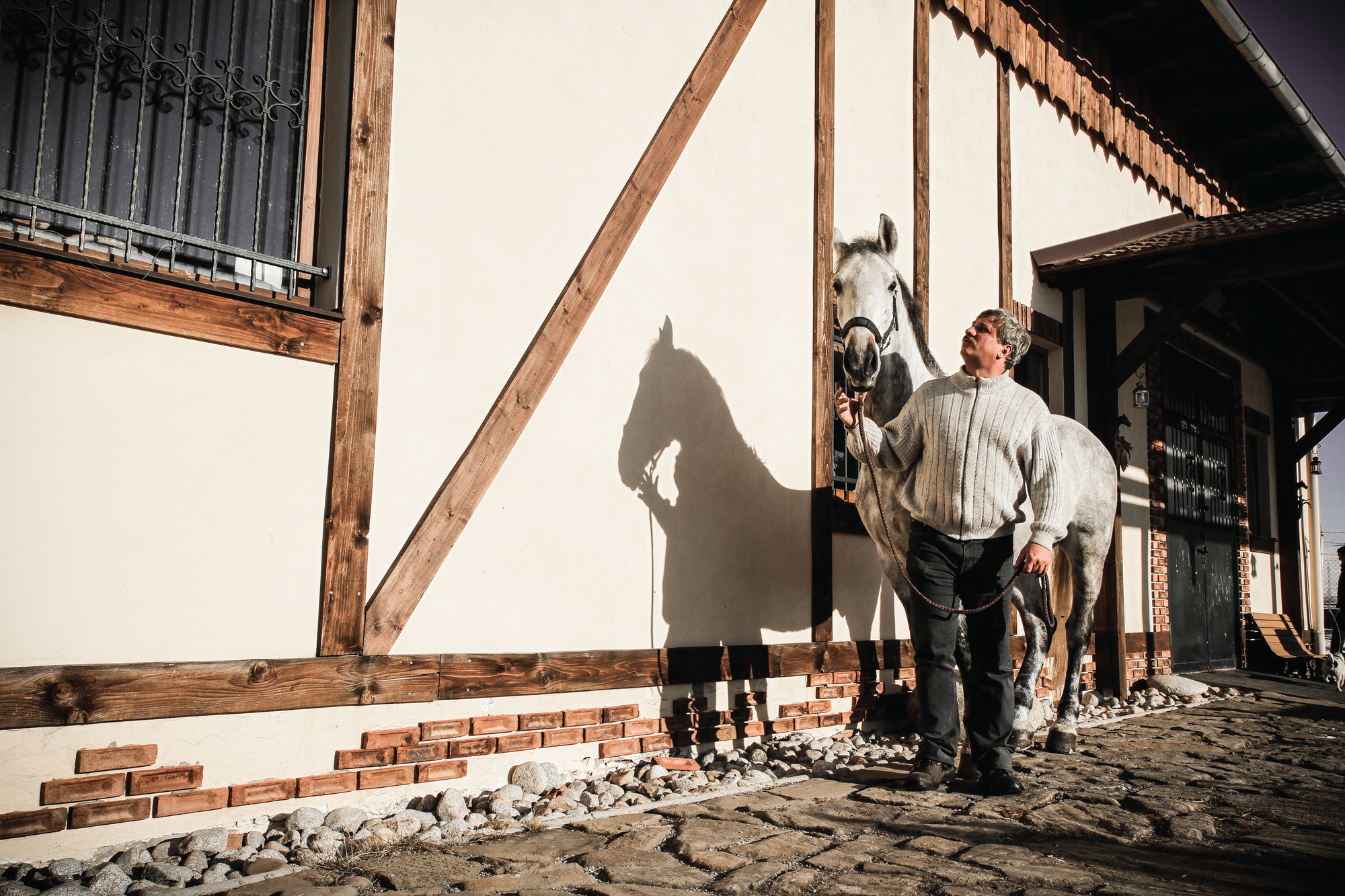
Although the sun is shining today, the cold still finds its way beneath our gloves. All the more gladly, we eventually accept an invitation for a cup of hot cocoa in Baláž’s workshop, which also serves as a guest room. It is there that the following conversation takes place.
You became Slovak champion for the first time at the age of eighteen. Isn't that unusually young in carriage driving?
Well, it was almost thirty years ago now, and some of my colleagues still haven’t forgiven me for it. (laughs)
I started driving when I was fourteen. At first, I only looked after the horses and helped the drivers who were already competing. When the older members of the club saw how interested I was, they suggested that I give it a try myself. So I started competing as well. Much to their misfortune, I turned out to be rather successful. (laughs)
You are a successful competitor and trainer of carriage horses. Horses you trained for other owners have gone on to win World Championships twice. The list of your achievements at Slovak and European championships would be a long one. What would you say to young people in Slovakia who dream of becoming professional horse trainers?
I would tell them not to work with horses. (laughs)
But seriously, very few young people today have the perseverance that this life requires. Working with horses is about much more than sport. It is about daily care, discipline, and consistency. A horse is not a hockey stick or a bicycle that you can leave in the corner and return to whenever you have time. Horses need you every single day.
Have you ever considered, in addition to training horses, training future drivers and riders as well?
Yes, it is a good idea. But it requires facilities that I unfortunately do not have at the moment, above all an indoor riding arena.
In your stable, there is a large inscription that reads: “I Had Time and Money. Now I Have Horses.” Could it also be understood to mean that, if you had the chance to turn back time, you might choose not to devote your life to horses after all?
No. It is meant as a joke more than anything else.
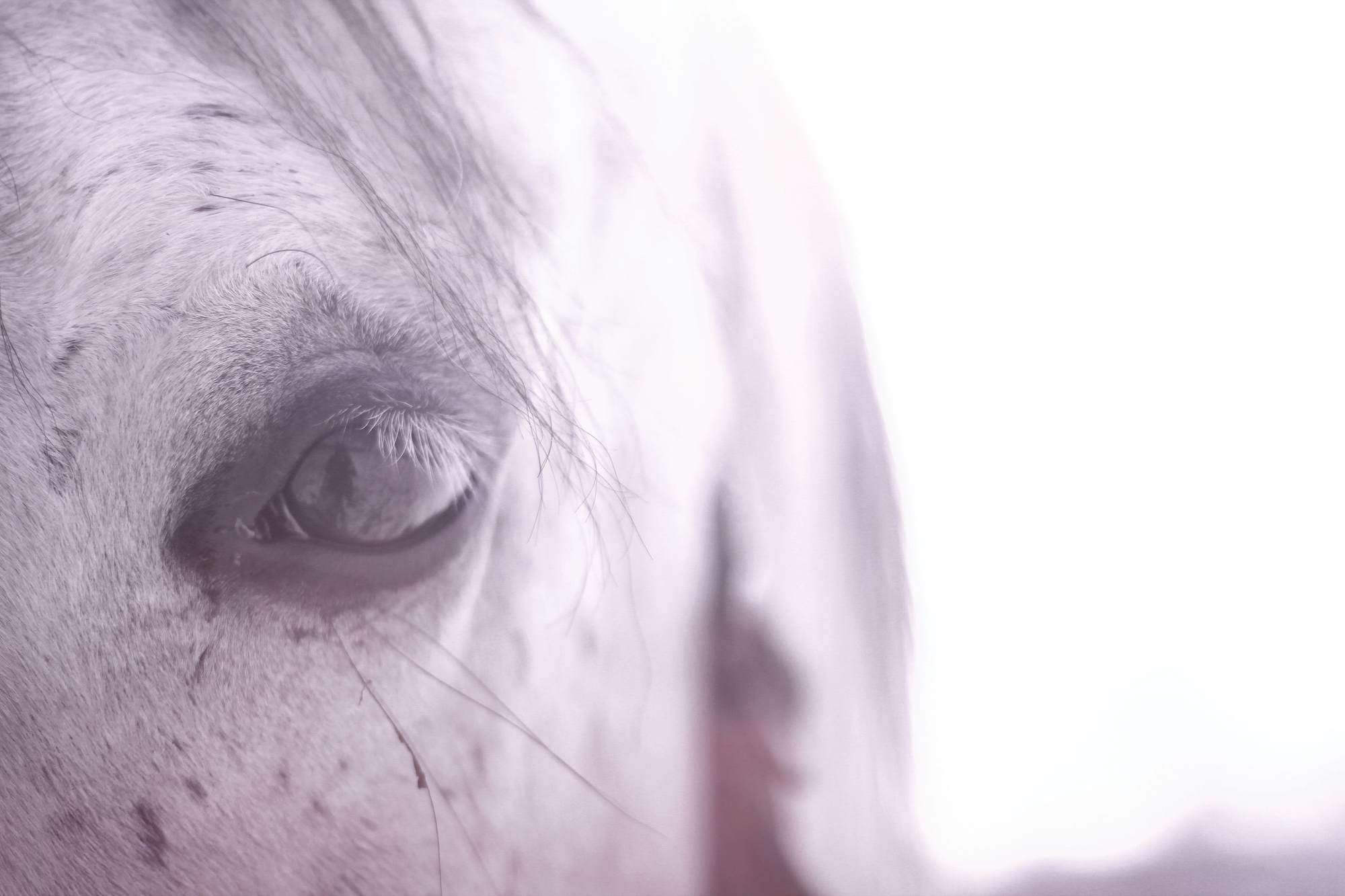
Horses have certainly taken a great deal of my time and money, but they have also given my life direction.
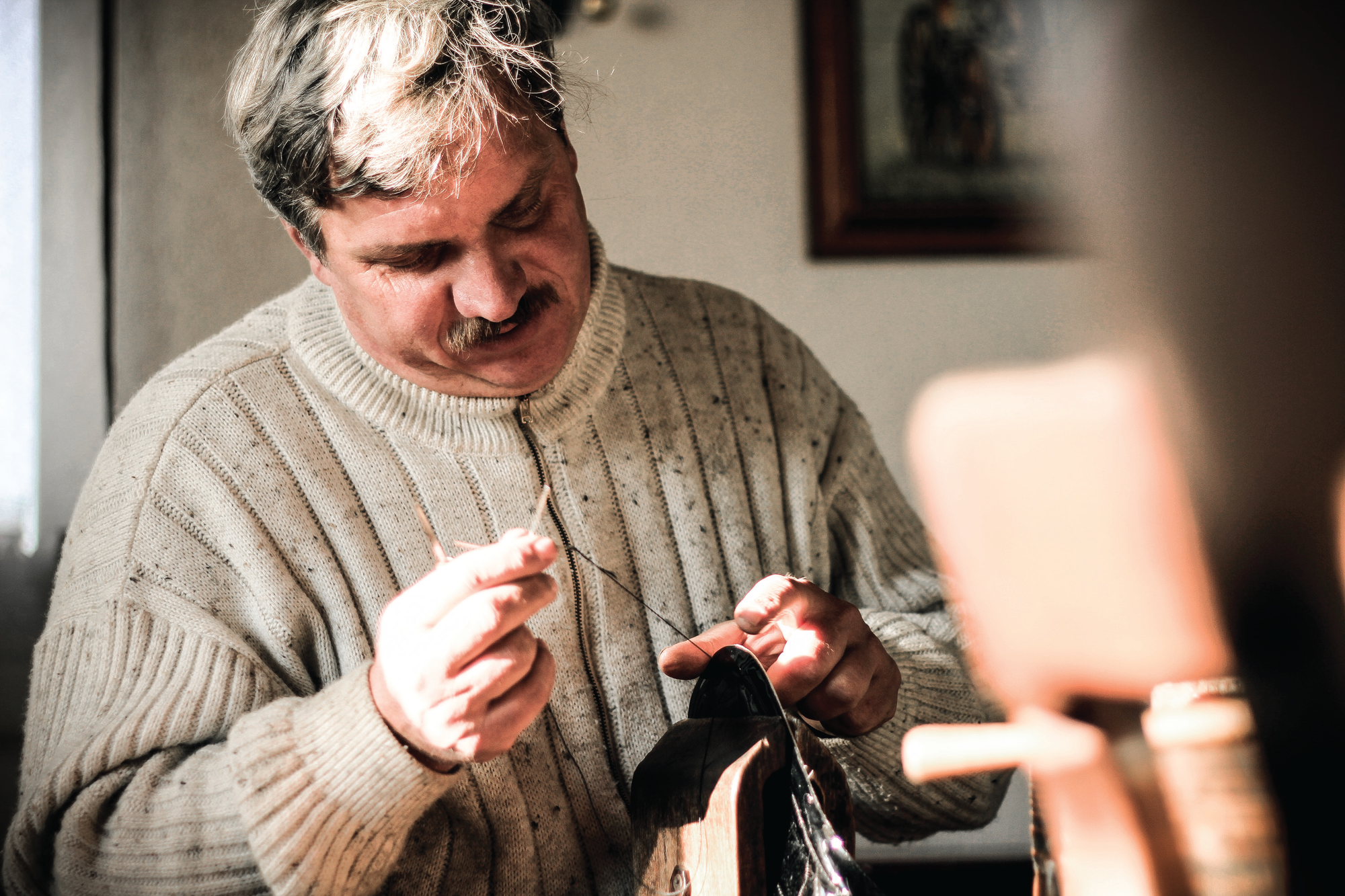
My health was one of the reasons I found my way to horses in the first place. For many years, I struggled with various illnesses, and horses gradually became my world. Sometimes that world is a lonely one; at other times, it brings moments of real beauty. Since I myself move with difficulty, horses give me a sense of movement, speed, and freedom. Through them, I have also been able to pursue sport and competition.
You built this new, still unfinished complex on the site of a former wastewater treatment plant. Why did you decide to invest your money here?
I looked at many places where I could have realized my vision. Some were more suitable, others less so. In the end, however, the deciding factor was the price.
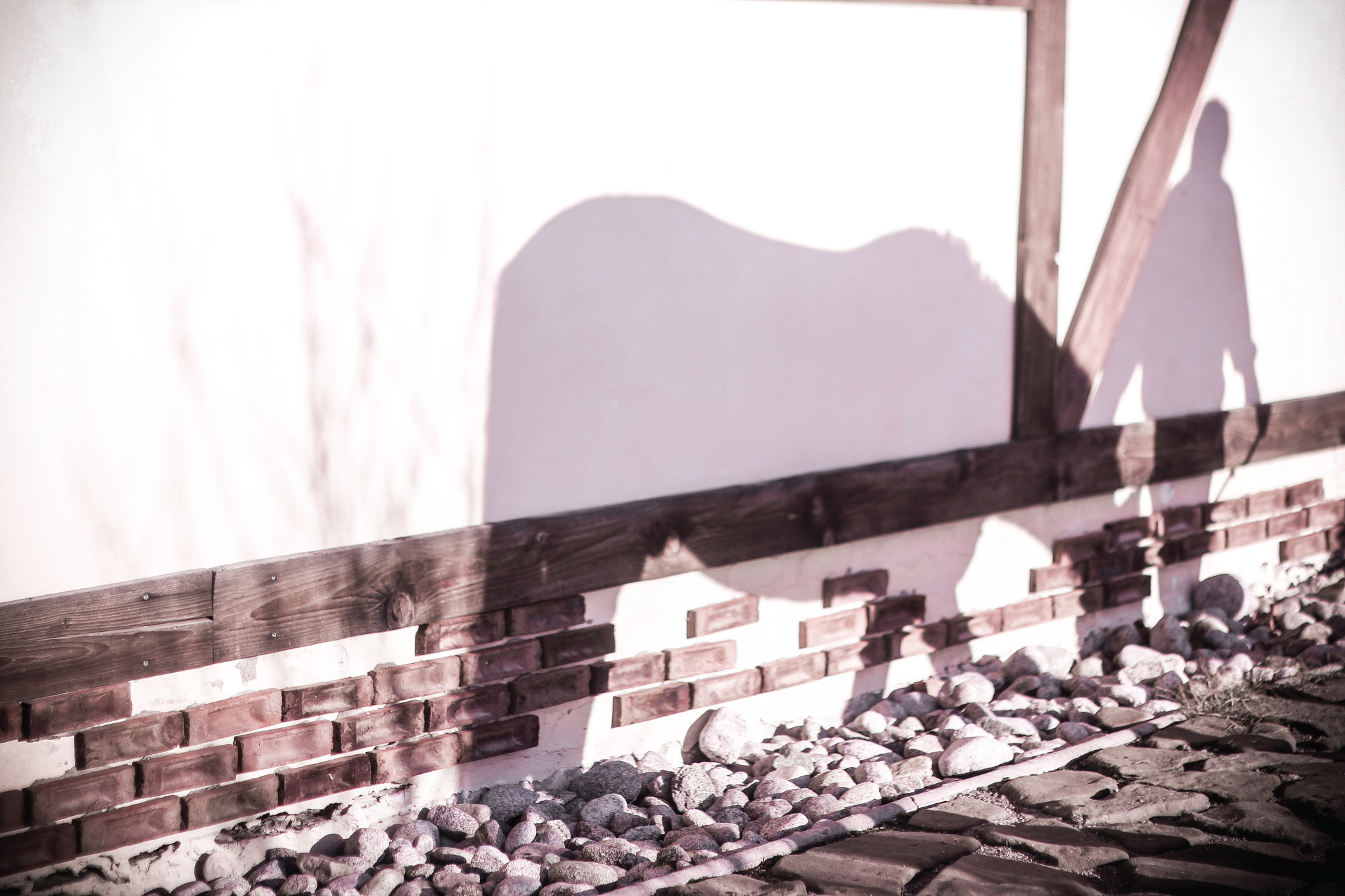
The former wastewater treatment plant had become more of a burden than an asset for the water utility company once operations ceased. Together with the utility, we filled in the old concrete tanks and prepared the site for a new purpose. Everything else that visitors see here today has been built gradually, step by step, under my direction.
Your stables, workshops, and even the carriage museum itself have been designed with great care and attention to detail. What lies behind this strong sense of aesthetics?
So far, I have built eight stables with my own hands. Even when I was working for other people, I always tried to create an environment where I would feel comfortable—not only professionally, but aesthetically as well.
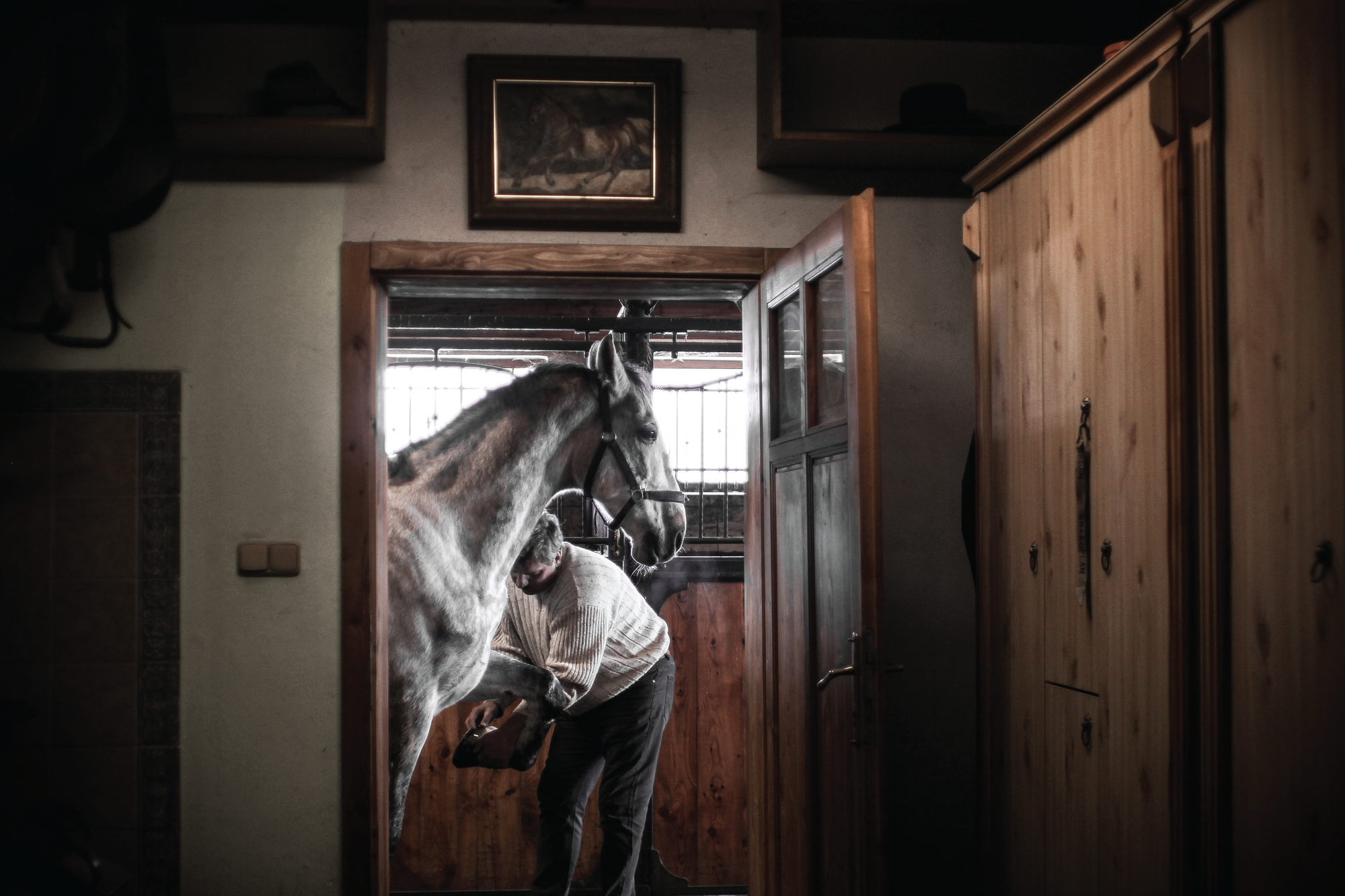
For many years, I collected various objects in the hope that one day I would be able to use them in a stable of my own. I have always been drawn to art, old things, and the kind of history that is too often forgotten today. These are the things that have fascinated me since childhood.
Are the carriage harnesses you make based on your own designs, or are they replicas of historical originals?
The designs are my own. However, they are rooted in the knowledge and experience I gained while restoring historical harnesses.
Your collection includes dozens of carriages and hundreds of other exhibits. What guided you in building it, and what makes it distinctive?
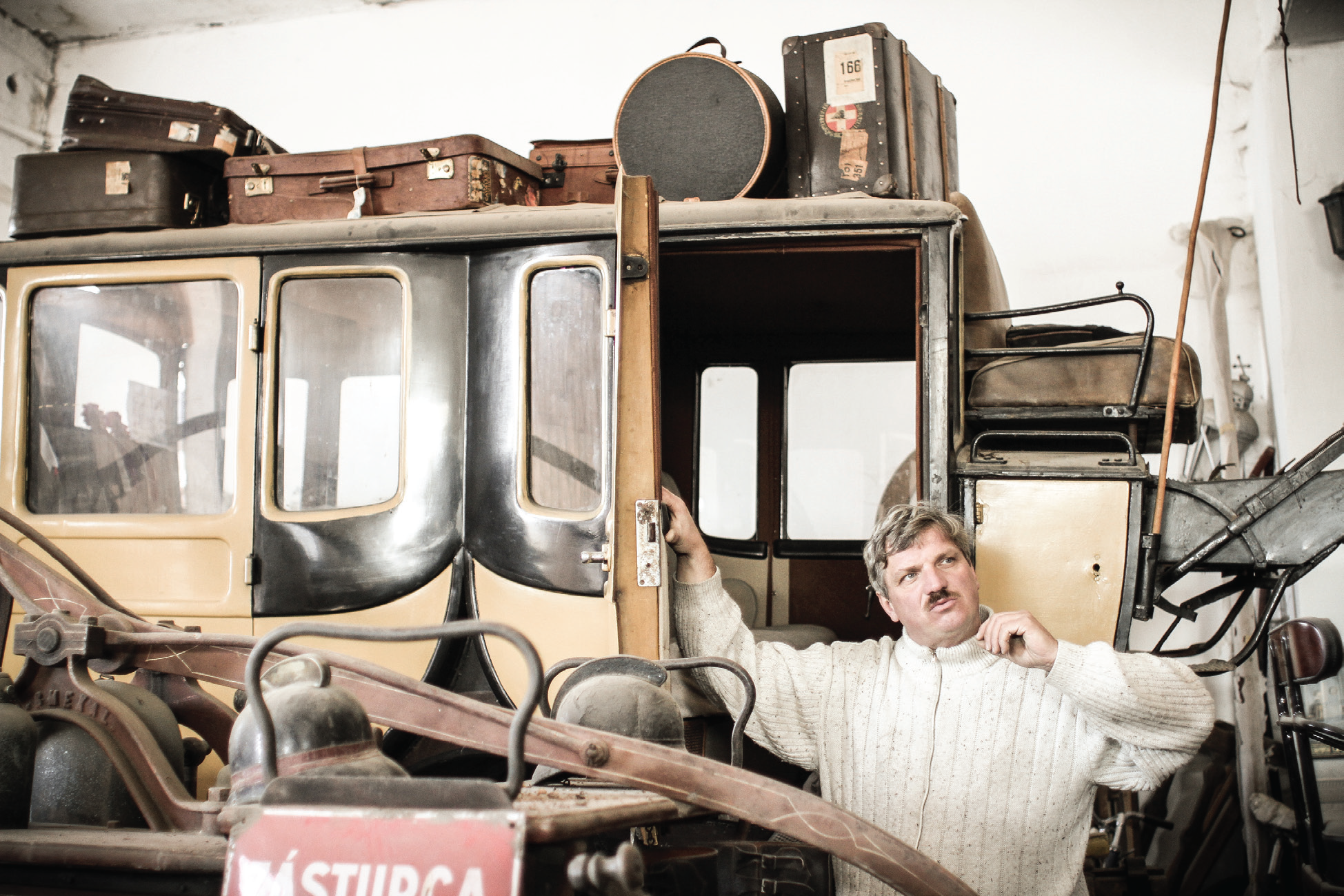
The collection is centred on the coaches and carriages once used in this part of Slovakia, which at the time belonged to the Austro-Hungarian Empire.
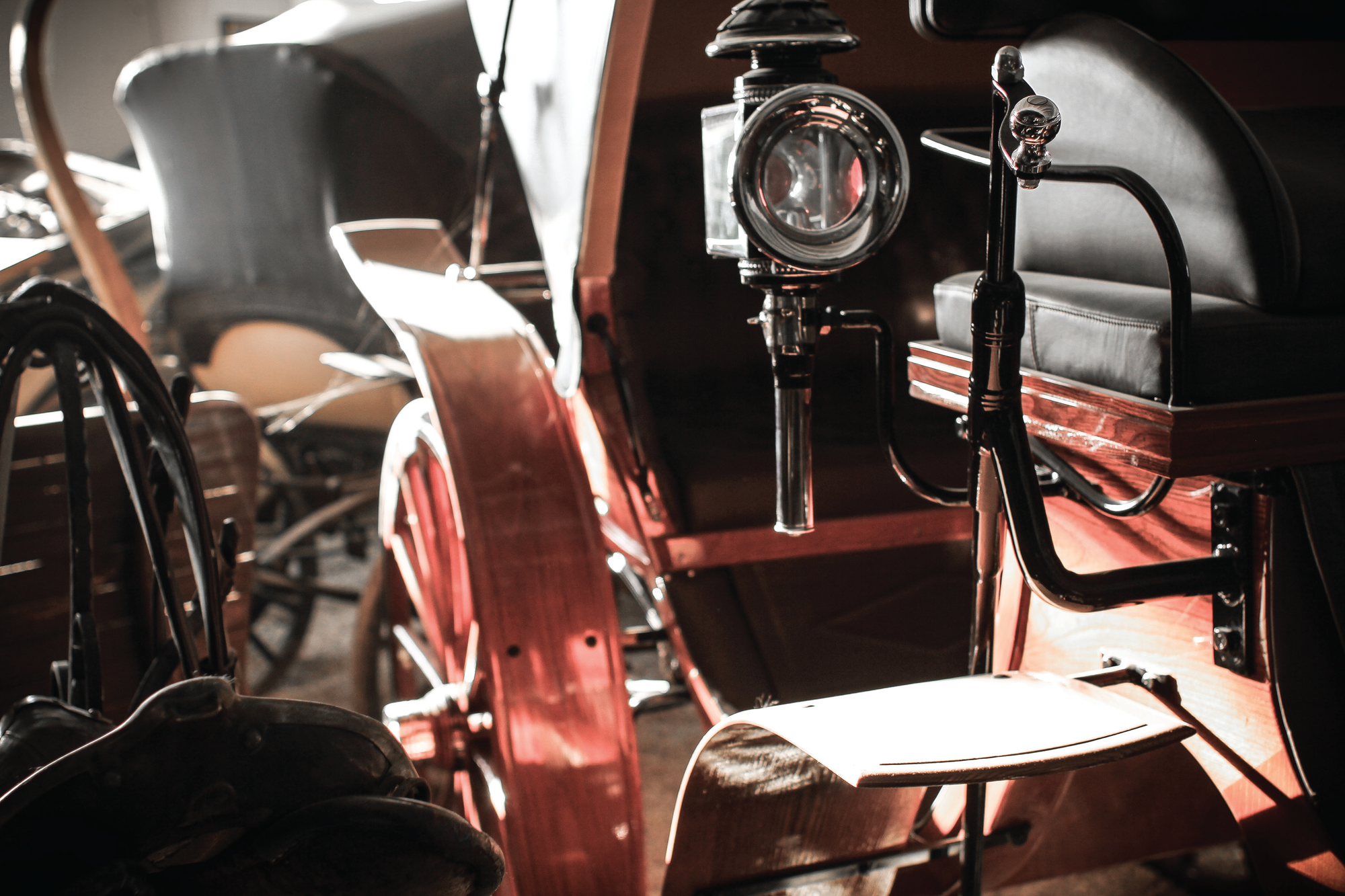
Alongside vehicles made by now-defunct carriage builders from our region—for example, from Kežmarok—the roads here were also served by carriages from Poland and Hungary, as well as the well-known products of Tatra Kopřivnice. These were manufactured not only in what is now the Czech Republic, but also in the company's workshops in Wrocław and Vienna.
Do you still plan to expand the collection, or will your focus now be on presenting and interpreting what you have already assembled?
Officially—at least as far as my wife is concerned—I have no plans to expand the collection any further. (laughs)
That said, if a friend happens to give me another carriage, I certainly won't turn it down. (laughs)
Text: Vladimír Jenčurák, Photo: Tereza Sejková, Naty Ščamborová