Someone Kept Speaking
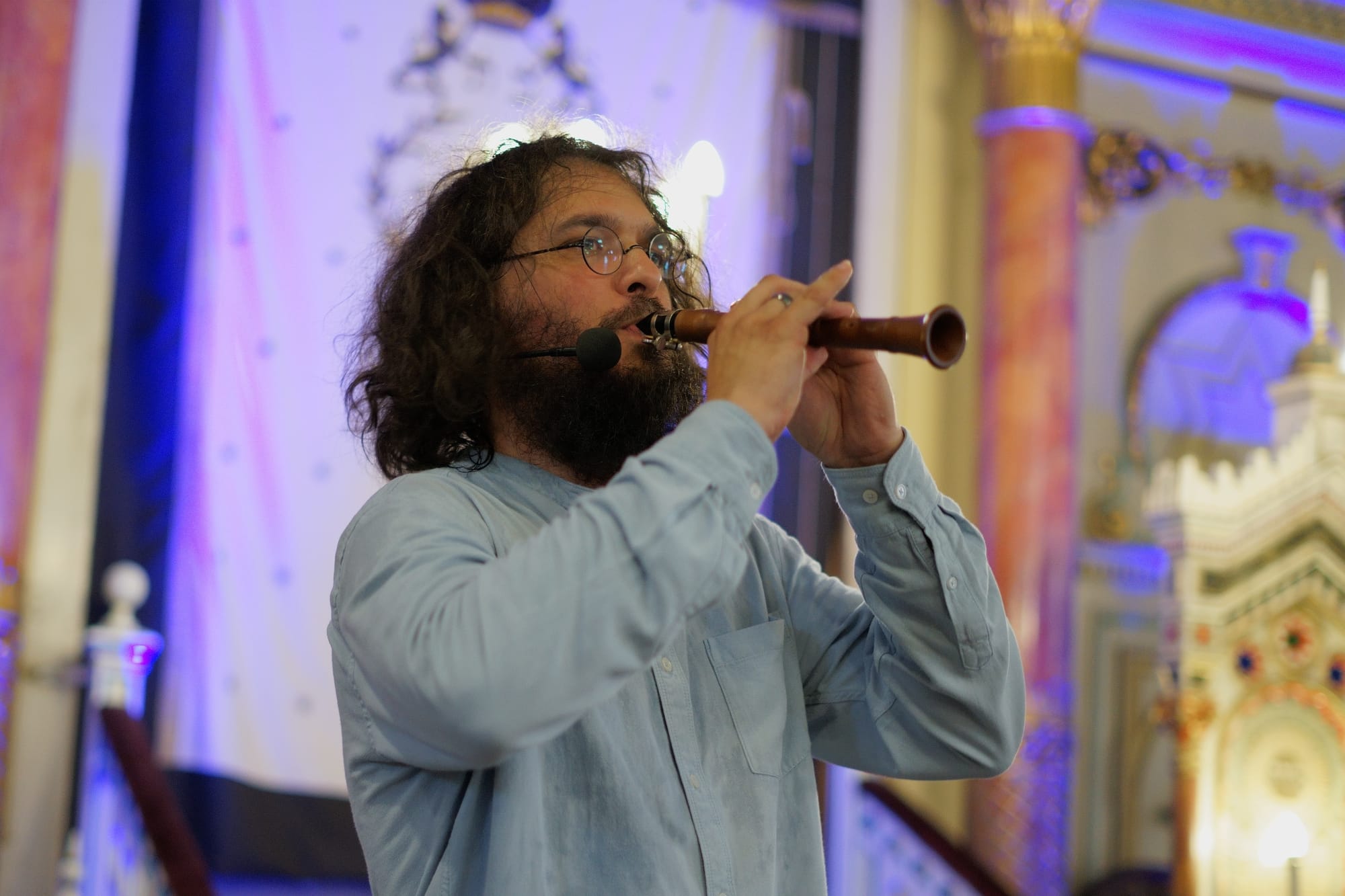
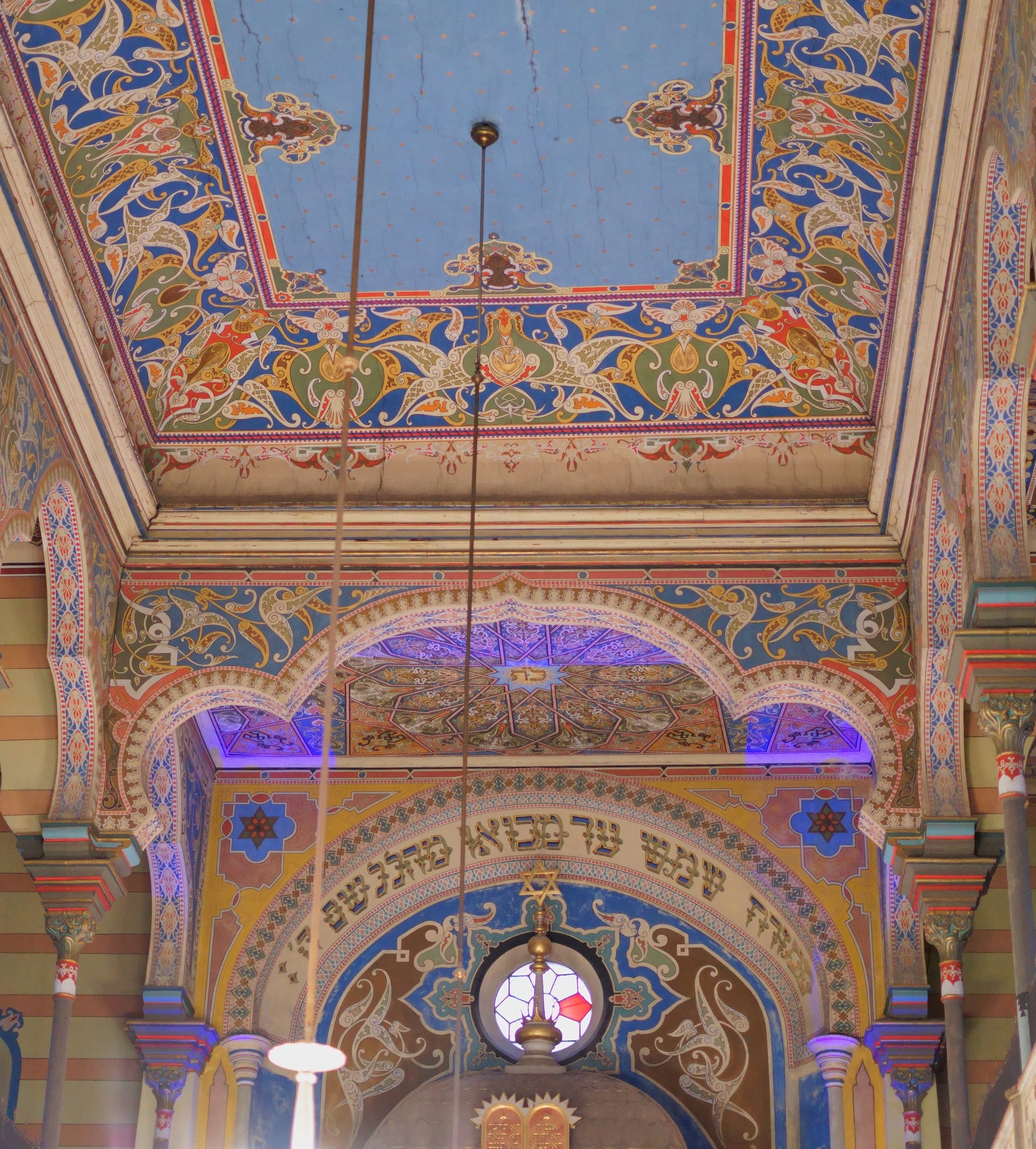
Few people in Prešov still enter the Orthodox synagogue for the purpose it was built for. Most who cross its threshold today do so only on occasions like this one. A concert.
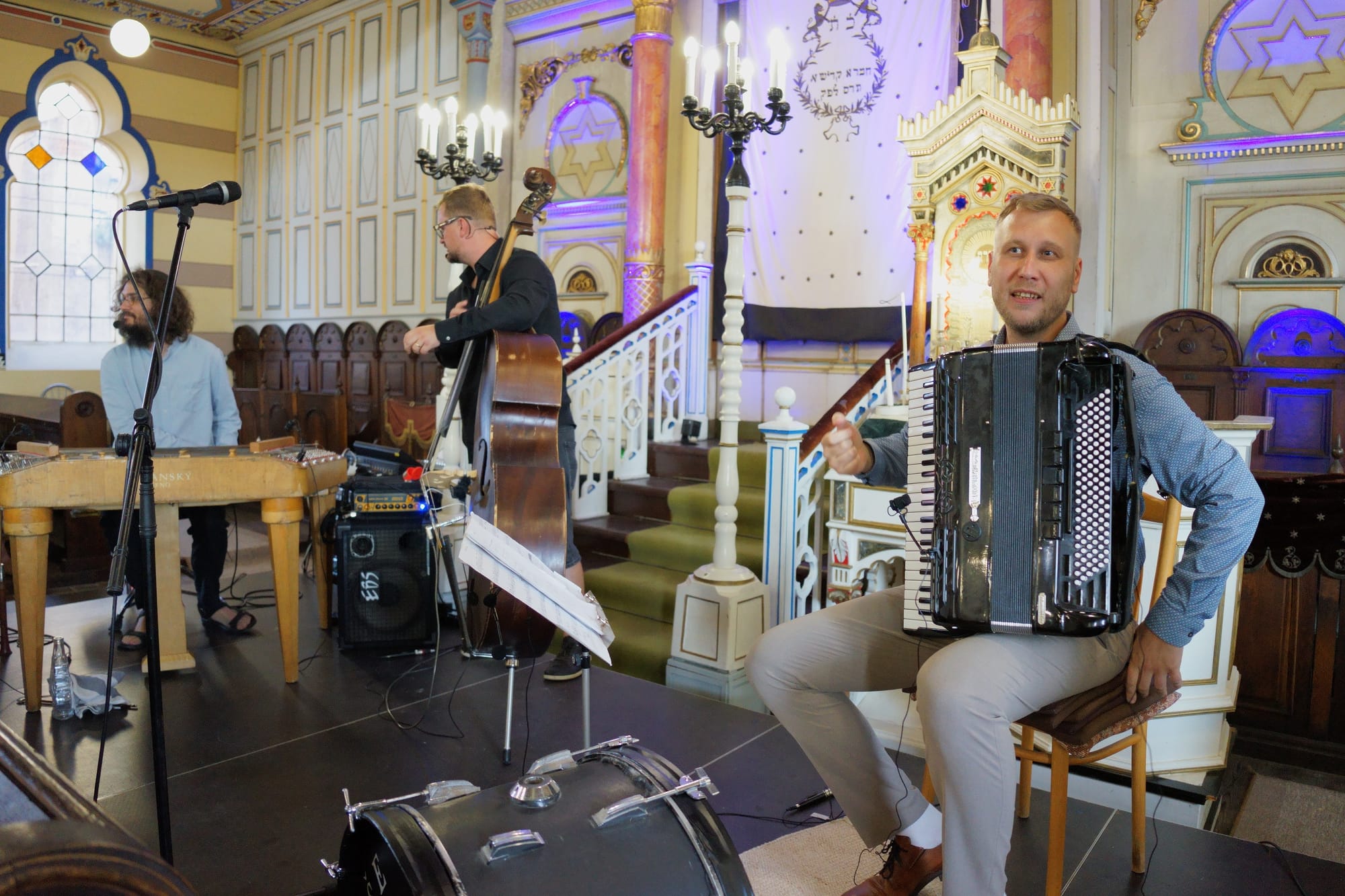
The atmosphere, the resonance of the space, and the peculiar vibrations that radiate through the synagogue's interior are extraordinarily suited to carrying the human voice and the sound of acoustic instruments. The experience becomes even more intense when the character of the music respects the character of the space — when the two become one.
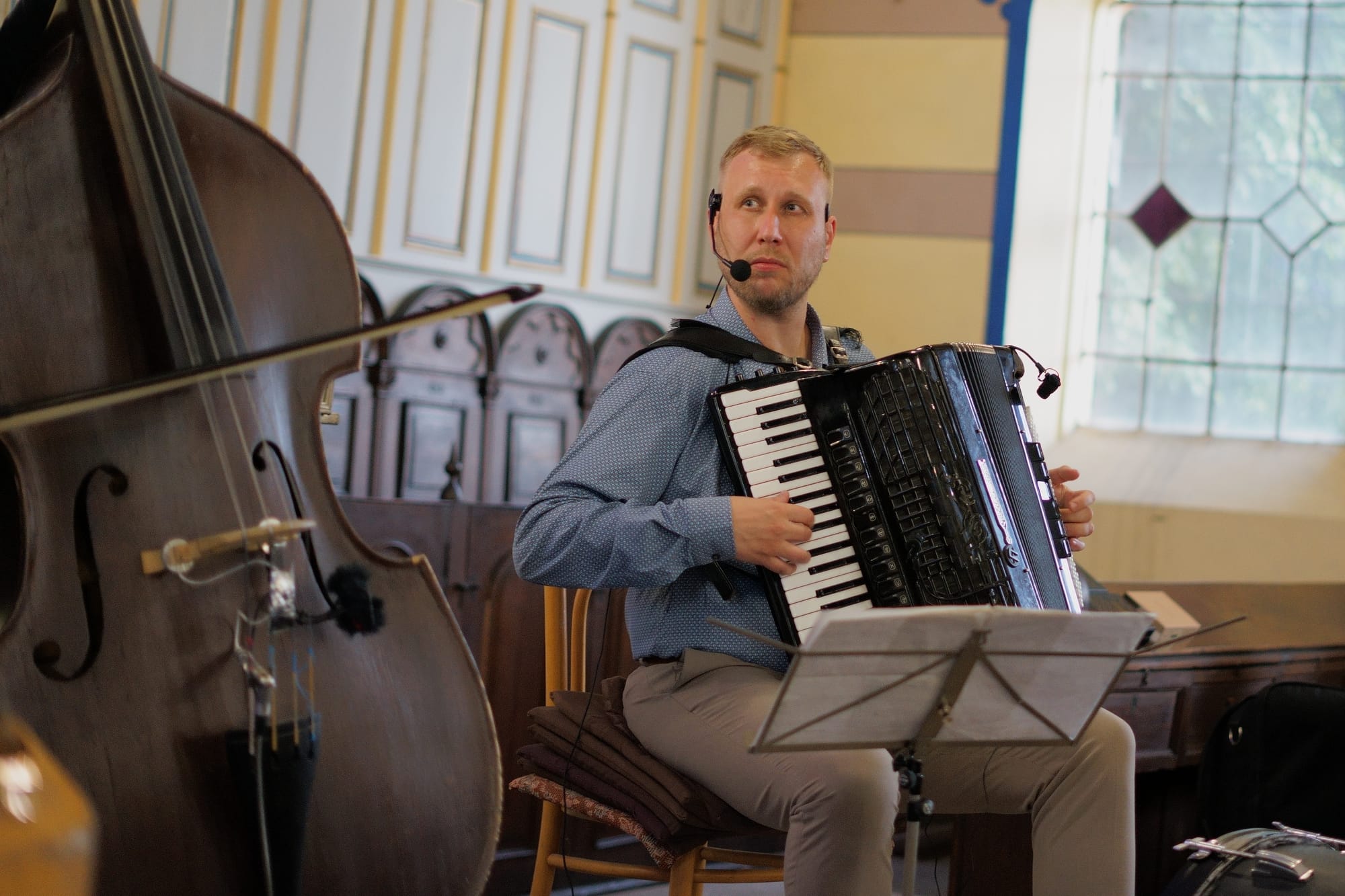
Tonight, that constellation of factors is nearly ideal. Mojše Band performs a collection of songs in Yiddish, but true to their signature, also in the other languages once spoken throughout this corner of the former Kingdom of Hungary. Alongside Yiddish, we hear Hebrew, Romani, Zipserisch, Manták, Rusyn, Slovak, and its dialects — an echo of a world in which it was ordinary to encounter several languages in the course of a single day.
Perhaps I wasn't the only one struck by a strange question. How is it that some of these languages have survived for centuries — some despite the fact that the states and empires that once carried them are long gone, others despite never having had a state of their own at all?
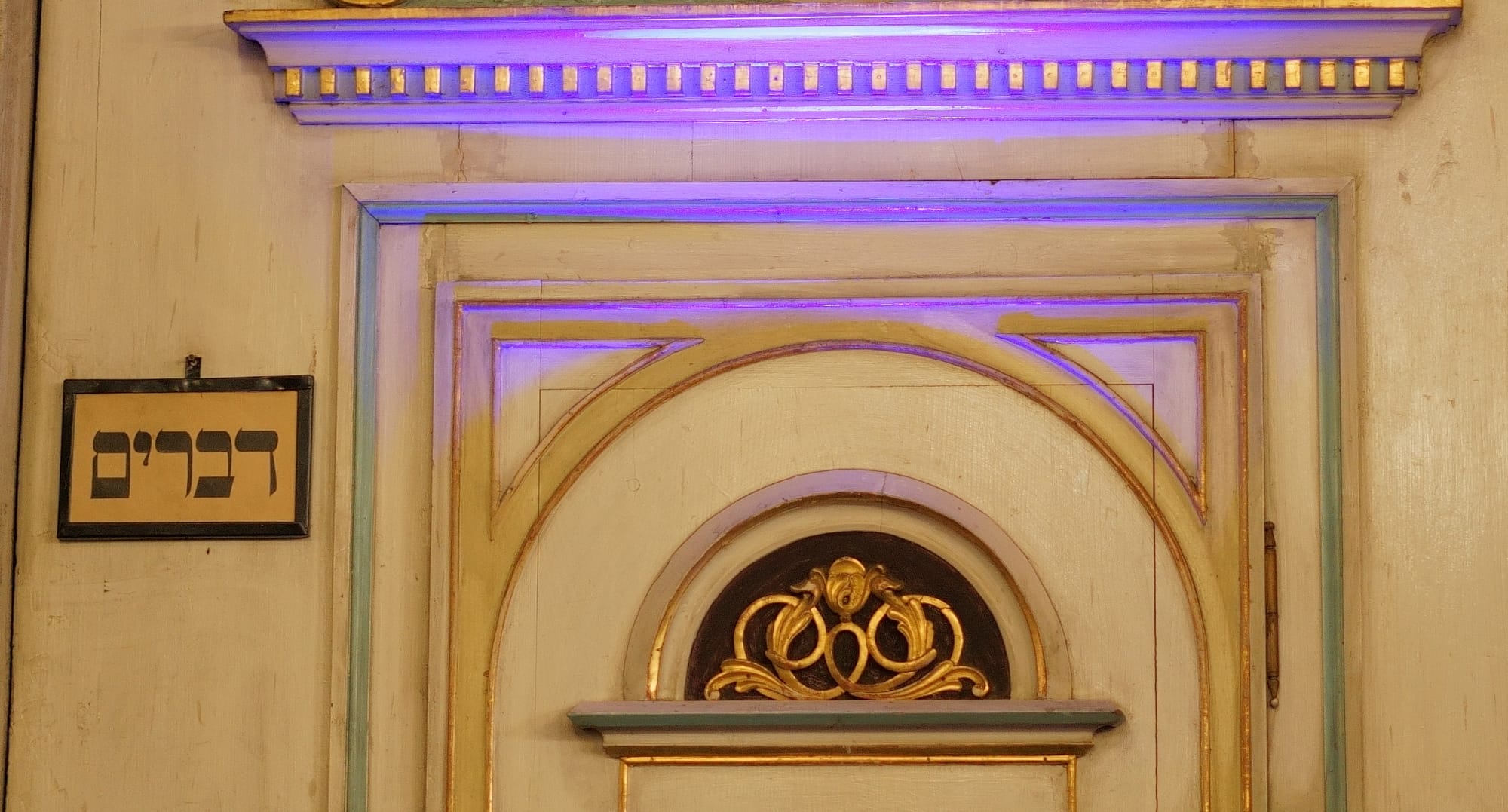
Today we tend to think of language as belonging to a single nation and a single state. But for most of Central Europe's history, people lived differently. In a single marketplace, one might hear Hungarian, German, Rusyn, Yiddish, Romani, Polish, or Slovak. In a single village, different faiths, different traditions, and different ways of naming the world would meet. This wasn't the exception. It was the everyday.
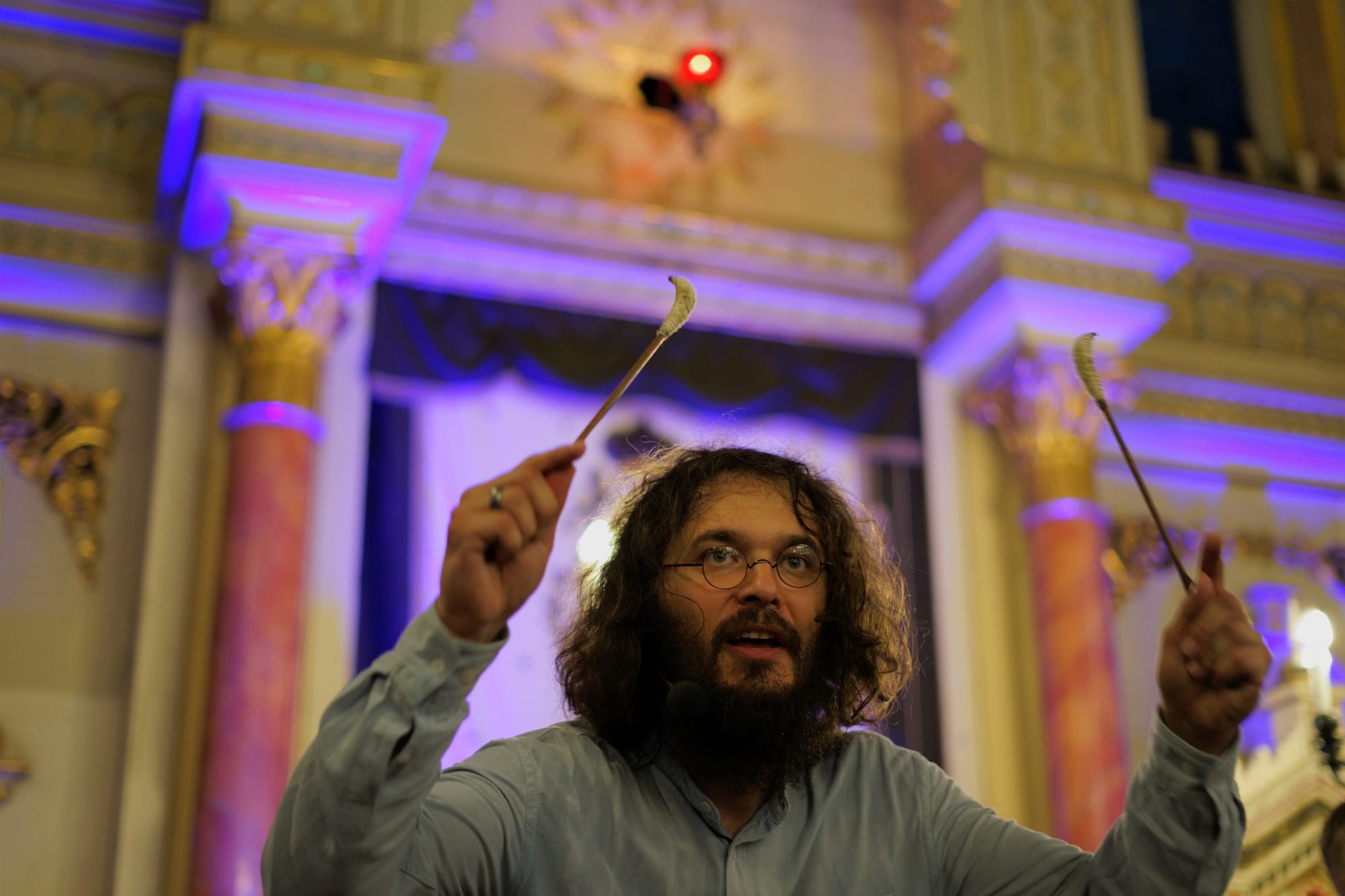
It's often said that every language represents a unique way of seeing the world. Perhaps it would be more accurate to say that every language represents a unique way of resonating with the world — a particular way in which the world speaks to people, and people answer back. Linguists compare this multiplicity to biological diversity for good reason. Just as the loss of a species impoverishes a gene pool that can never again be drawn upon, the loss of a language removes from the human repertoire an entire way of thinking, remembering, and relating to land — a way that cannot be reconstructed or replaced. We don't know in advance which of these ways the future will need. We assumed the same, until recently, about many organisms — until we understood their role only once they had already vanished from the ecosystem.
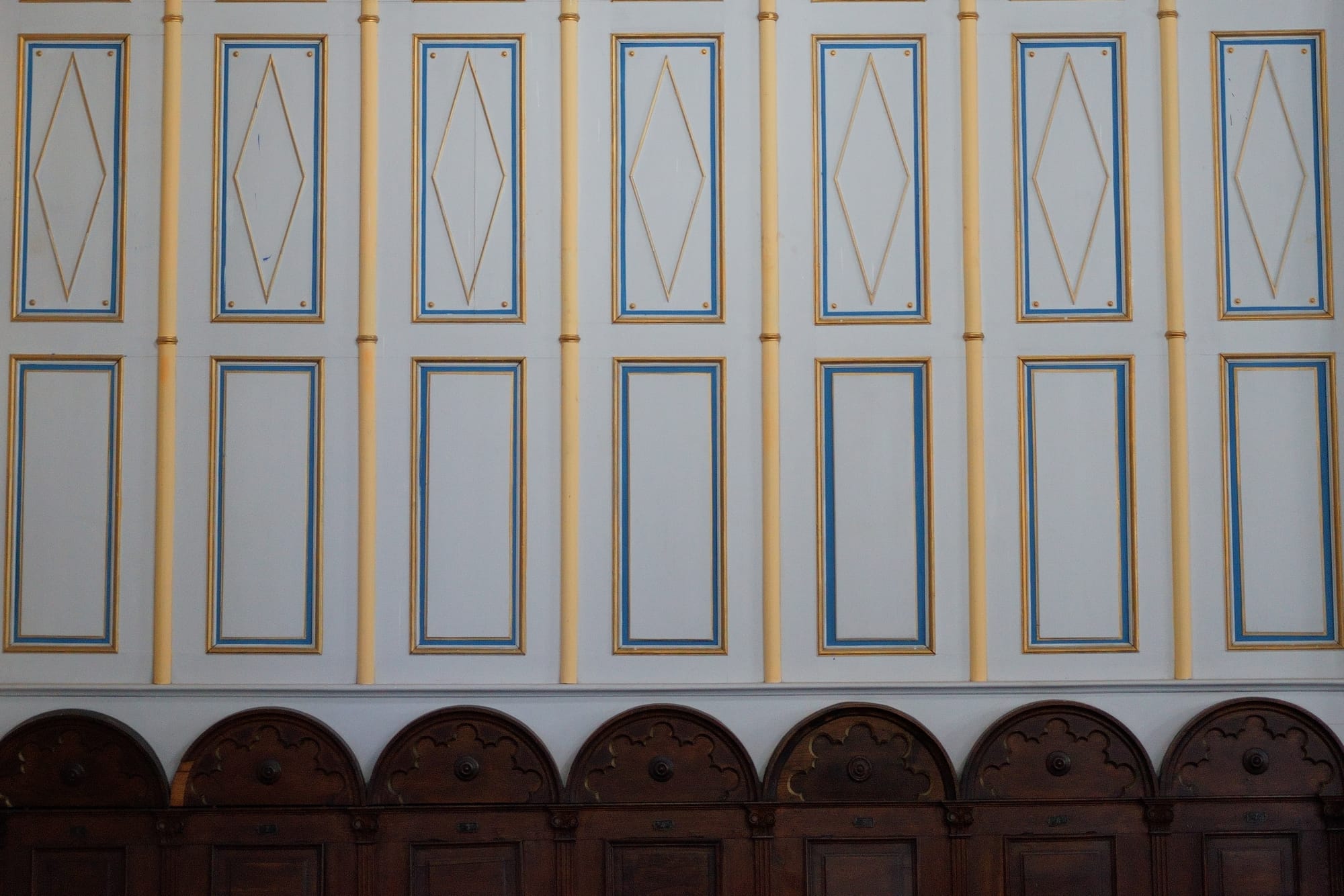
This is why tonight's concert doesn't feel like a parade of linguistic curiosities, or a nostalgic glance at the past. We're not just hearing the meaning of sentences. We're hearing the rhythm of an experience passed down across generations — voices that have endured even as borders shifted, regimes changed, and ideas about who this land belongs to were rewritten again and again. And the question we carry away from an evening like this isn't only historical. It's a question about which voices the world that comes after us will still be able to hear.
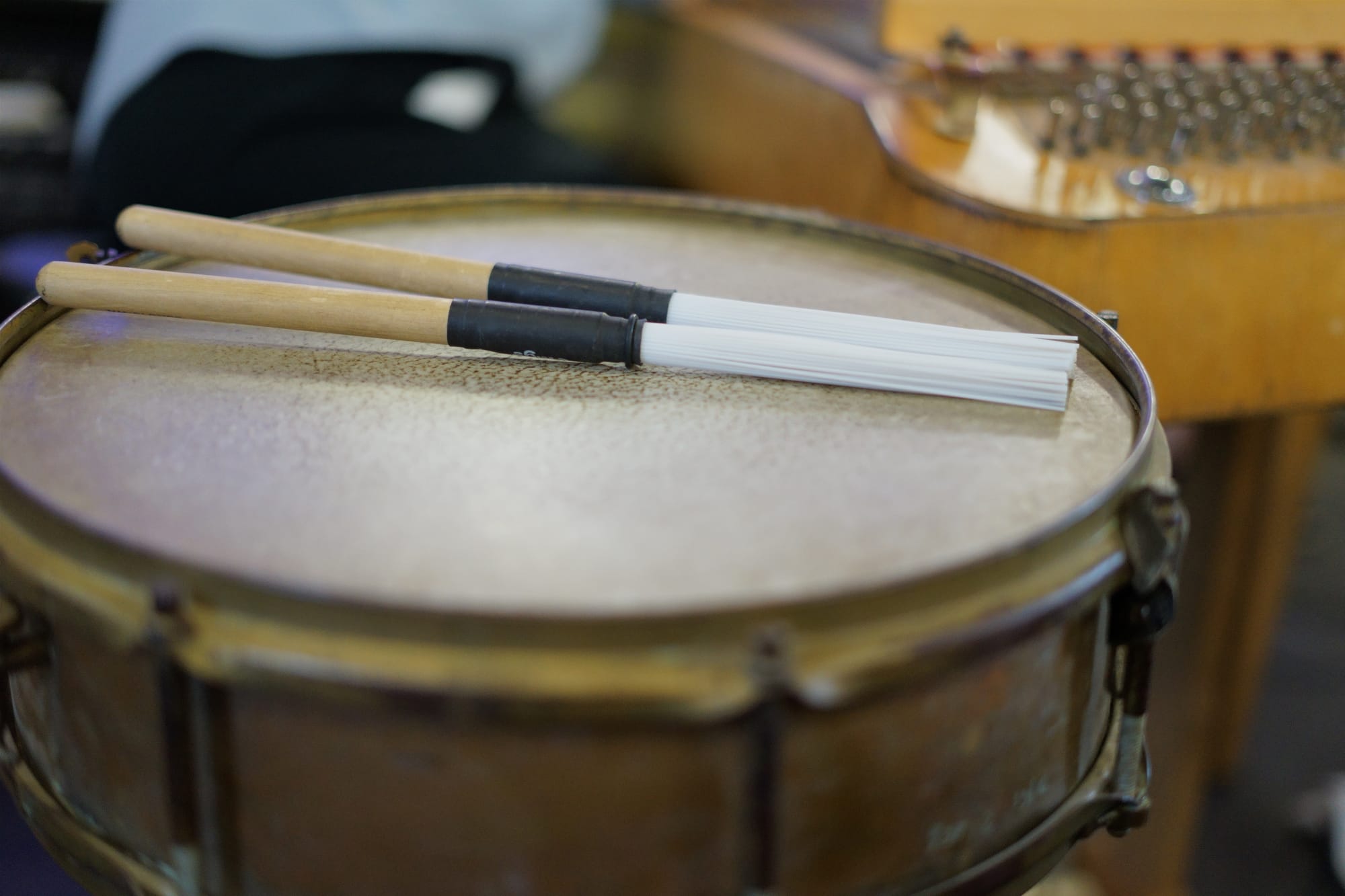
Text and Photo: Vladimír Jenčurák