The Alchemy of the Canopy
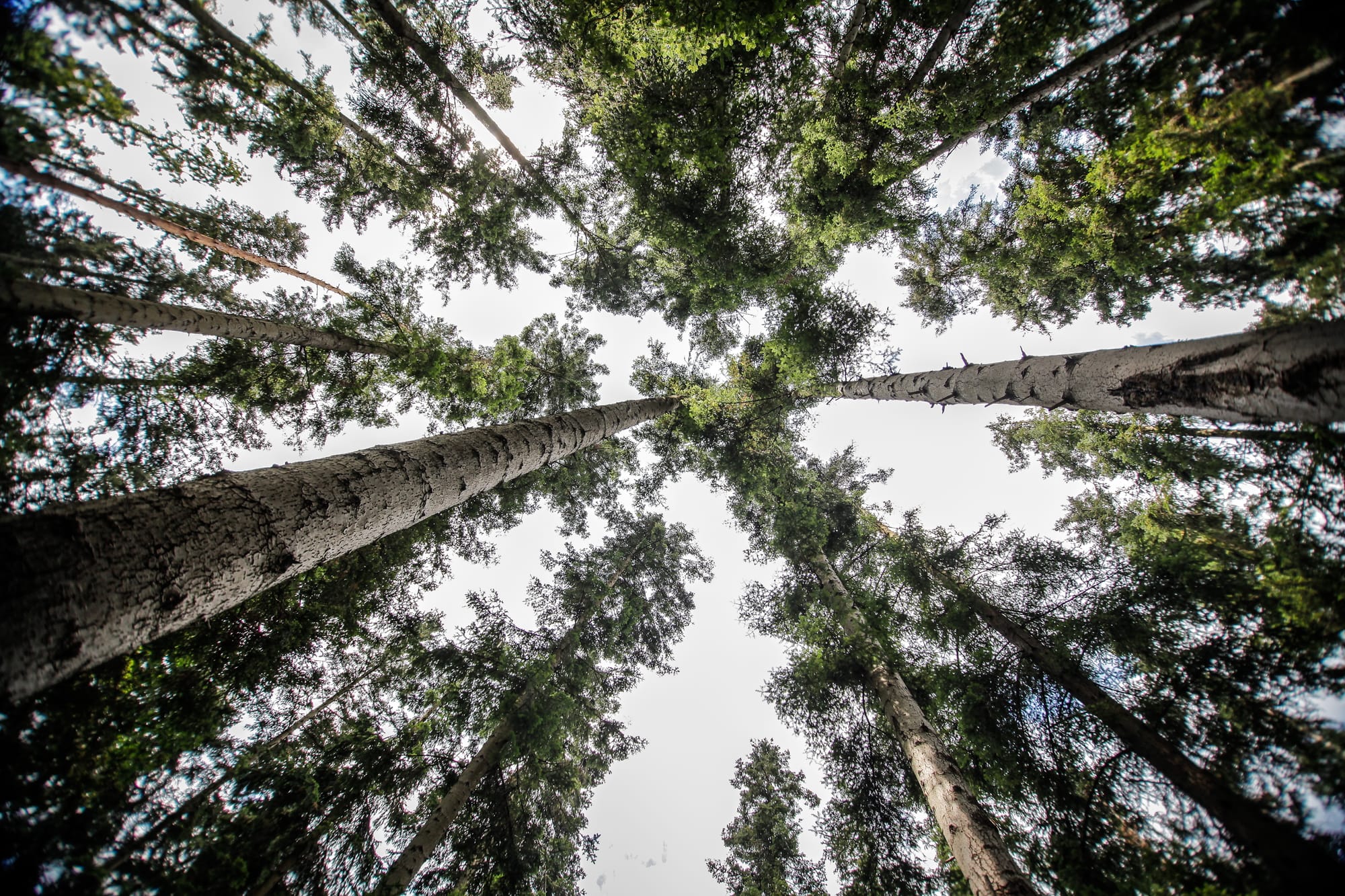
Small, glistening droplets sometimes appear on the plants beneath a silver fir forest. They look like dew, but they are not. Bees seek them out with greater urgency than the nectar of many flowers. Within a few weeks, they will become silver fir honeydew honey—one of the most prized honeys in the world. Yet neither the fir tree nor the aphids that produced them have any awareness of this.
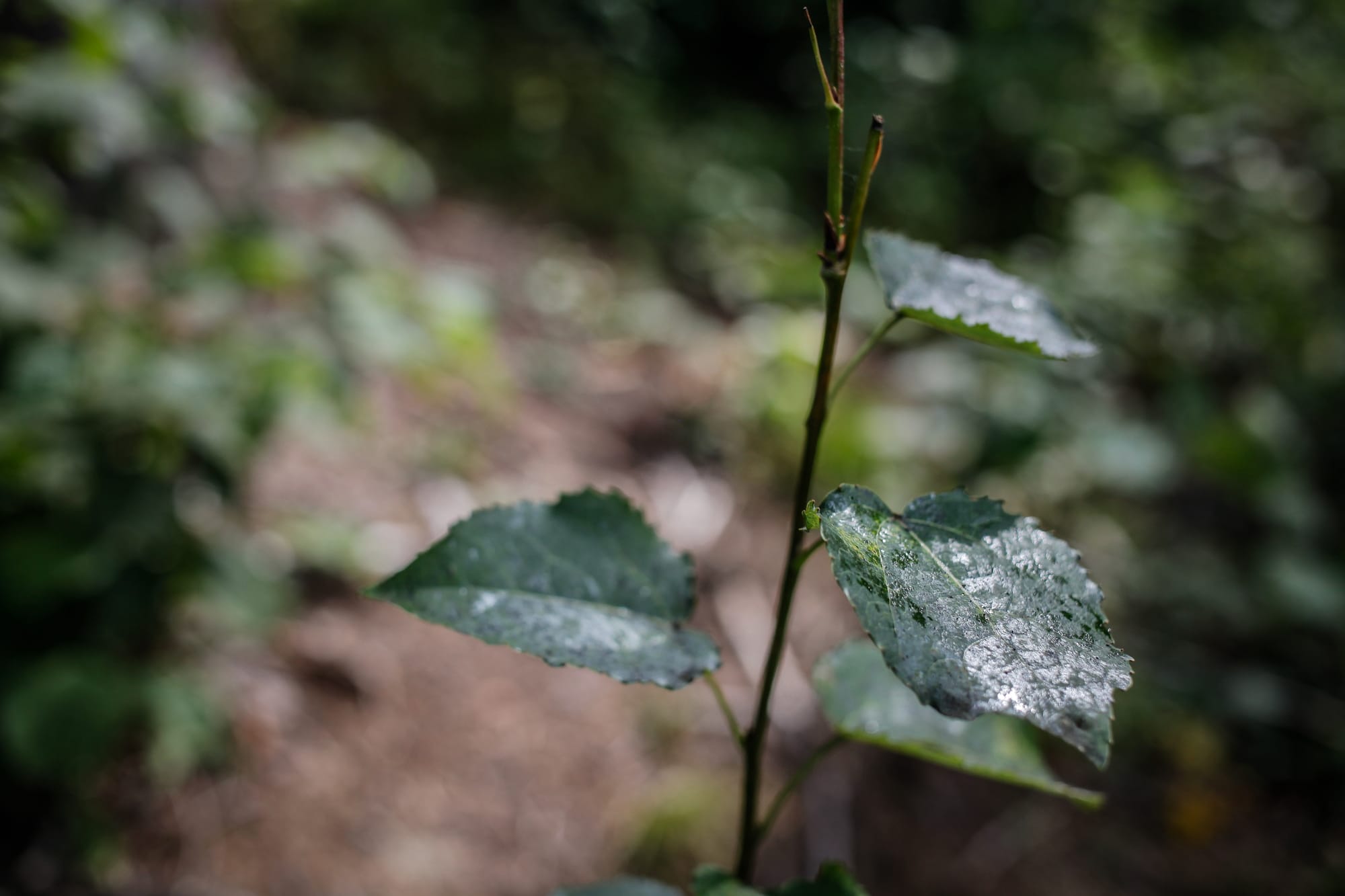
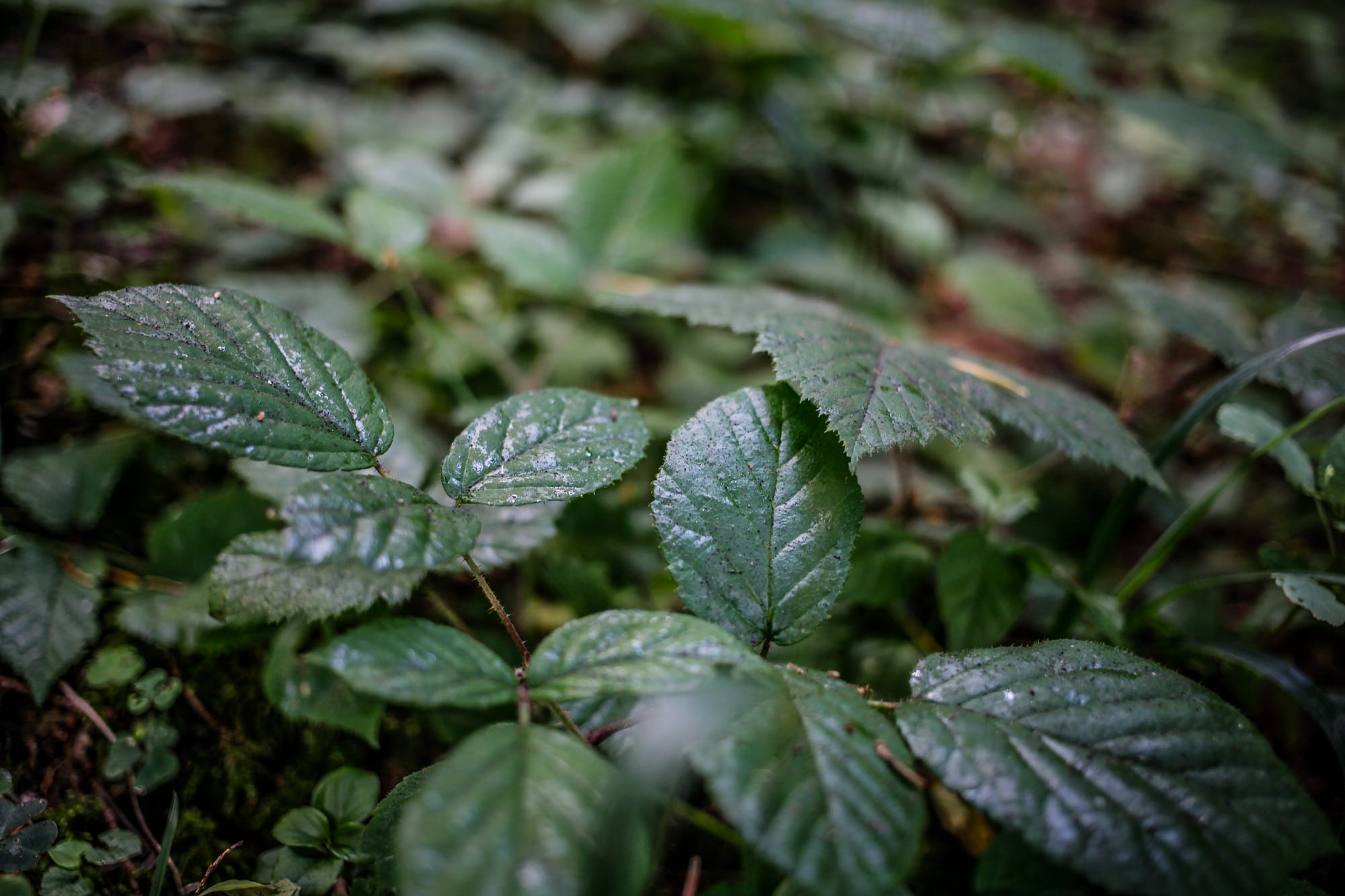
The entire story begins deep beneath the forest floor.
Where the vertical axis of the trunk meets the horizontal spread of the ground, no sharp boundary exists. The transition is seamless, shaped by massive, gnarled root flares that spread outward like natural supports. They reveal something of the hidden architecture beneath the soil: the vast root system that allows the fir to stand.
In its youth, the tree develops a deep taproot. As it matures, however, its architecture changes, gradually forming a heart-shaped root system. The fir does not do this out of any romantic instinct. It does so because it must anchor itself as firmly as possible in the fractured shales of Carpathian mountain slopes, where it faces powerful winds and heavy winter snow. Between 500 and 1,000 meters above sea level—its natural range in the Central Carpathians—the climate can be unforgiving.
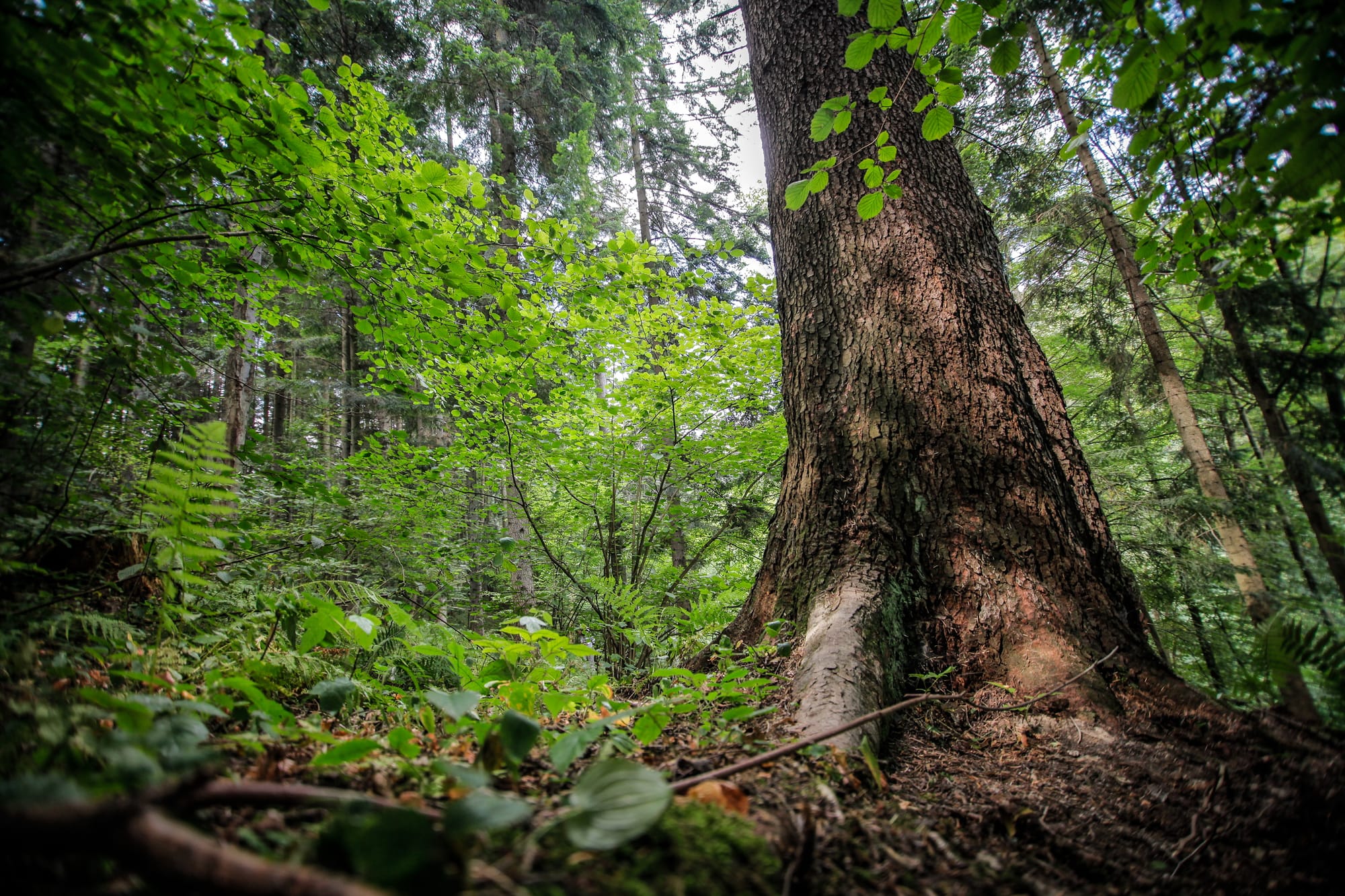
Stability is essential, but it is not the only task of the root system. For the tree, roots serve another equally important purpose. Deep within the leaf litter and cracks of the rock, they branch into increasingly finer structures, eventually ending in a network of delicate root hairs. These microscopic extensions are only a few micrometers thick, yet together they create an astonishingly large surface area for absorbing water and nutrients.
It is here, at the intimate boundary between soil particles and moisture, that the process sustaining the tree’s entire biology begins: the transpiration stream.
This is not a hidden river flowing through the trunk. It is a vast network of microscopic channels within the wood, connecting the finest root hairs beneath the ground with the needles in the canopy of a thirty-meter-tall fir. When sunlight reaches the crown, water evaporates through tiny openings in the needles called stomata—a process known as transpiration.
The loss of water at the top of the tree creates negative pressure. Like a continuous column of water held together by invisible forces, this tension travels through the wood of the trunk, reaching all the way down to the smallest roots. The resulting pull draws water and dissolved minerals from the soil upward, setting the entire system in motion.
The liquid carried by this stream into the fir’s crown is not the collection of droplets mentioned at the beginning of this story. Yet it provides the essential material from which those dense, glistening, sweet drops will eventually emerge.
For that to happen, the minerals and nutrients dissolved in the soil water must first reach the green needles, where they combine with sugars and amino acids created through photosynthesis. This rich mixture then travels back down through the inner bark—the phloem—supplying the tree with the materials it needs to grow new wood, roots, and needles.
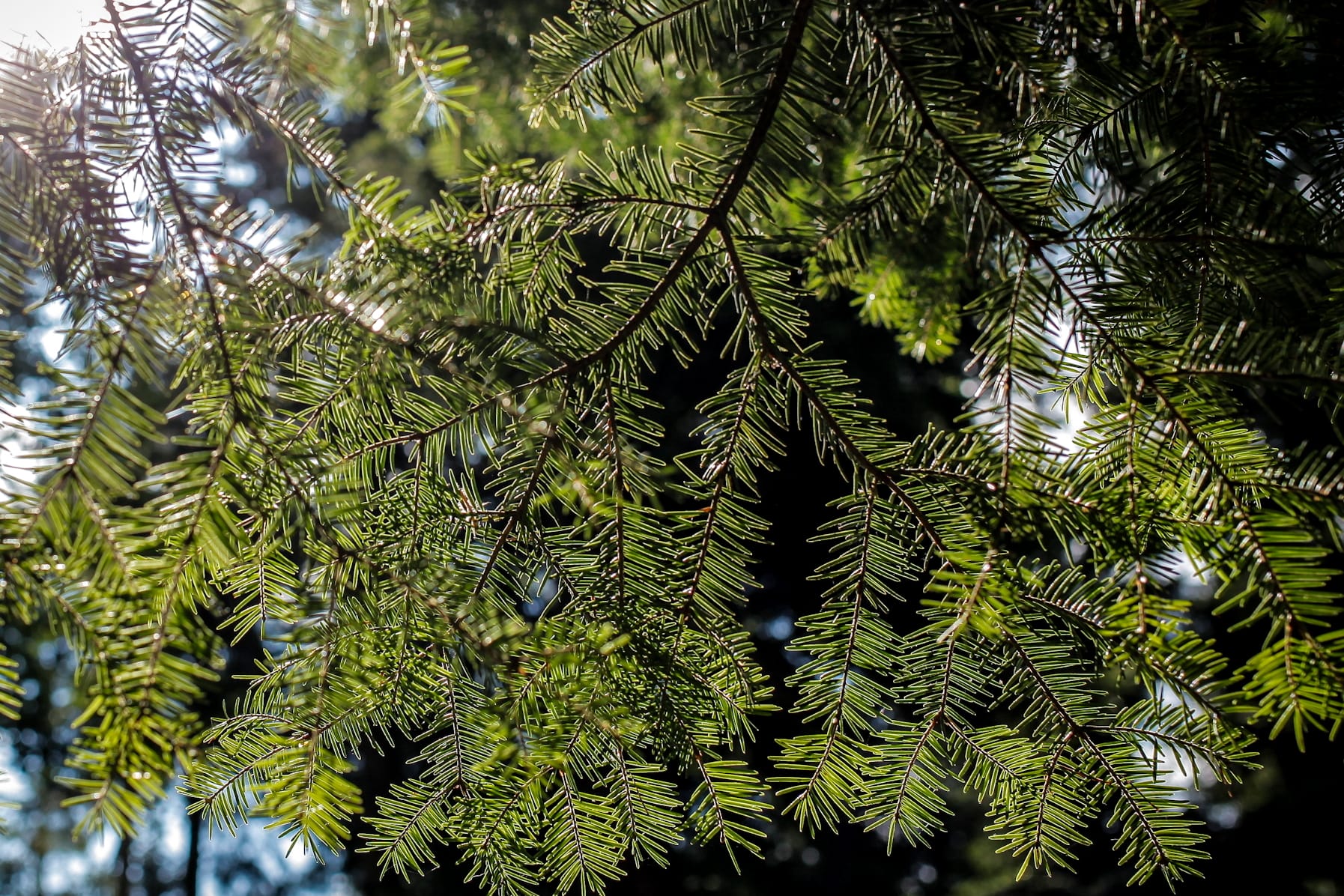
The entire system functions as a single living circuit.
Yet it is not completely closed.
The mixture flowing through the tree is far too rich not to attract uninvited guests. Evolution has created specialists that have made it their primary source of nourishment: aphids. Among the most important are the green-striped fir aphid and related species from the genus Cinara.
With their specialized piercing mouthparts, they penetrate the tissues of young fir branches and become part of the tree’s own circulation system. The internal pressure of the tree forces the sweet sap directly into their bodies.
It seems like an almost perfect arrangement. Yet it contains one fundamental problem.
The sap is rich in sugars but contains far too few amino acids—the essential building blocks aphids need for growth and reproduction. To obtain enough of them, aphids must filter enormous quantities of sap through their bodies. Most of this liquid passes through them unused and leaves their system as waste.
These are the dense, sweet, glistening droplets mentioned at the beginning.
The aphid’s world is simple. Its entire existence depends on a single source of nourishment flowing directly from the body of the tree. The Carpathian forest, however, is home to far more demanding creatures—organisms that cannot afford to think only of the present moment.
The greatest experts in nutrition are often those organisms that must create reserves for times of scarcity. They do not store energy as fat within their own bodies, like bears or badgers. Instead, they build a carefully managed larder that will sustain them through the winter months. It is a strategy remarkably similar to one humans in temperate regions have practiced for thousands of years.
Among the ultimate masters of this strategy are honeybees.
They are not only skilled at creating stores for difficult times; they are also experts at deciding which sources of food are most valuable at any given moment.
Usually, their attention is directed toward the nectar of fragrant flowers growing in mountain meadows. These meadows bloom in predictable places year after year. For the bees responsible for gathering food, they represent a reliable table already set with familiar dishes.
But within the colony there is another profession: the scouts.
These bees leave the familiar paths. They explore the landscape in search of opportunities that may have appeared unexpectedly—a new source of food that did not exist yesterday and may disappear tomorrow.
Such opportunities do not arrive regularly. They appear only when a rare combination of warmth, humidity, and rainfall creates ideal conditions for an explosion of aphid populations. Then comes the moment beekeepers describe with a simple phrase: the forest “honey-dews.”
The scouts discover it through millions of tiny mirrors shining among the fir needles, reflecting sunlight from the honeydew droplets covering the branches. They also detect it through scent—not the fragrance of flowers, but the chemical signals of aphids and the subtle alcoholic aromas of honeydew that has already begun to ferment.
It is a scent announcing a priority source of food.
The scouts collect samples and evaluate them with their highly specialized receptors. They measure, above all, sugar concentration and viscosity. Once the quality is confirmed, they return to the hive carrying the remaining sample and the information the colony needs.
Back inside the hive, the same ritual begins that follows every successful discovery by a scout.
Upon returning, the bee does not simply release the honeydew and wait. On the vertical surface of the dark comb, she begins a precise sequence of movements—the waggle dance. Through the angle and duration of the dance, she communicates two essential pieces of information: the direction of flight in relation to the sun and the distance between the hive and the newly discovered fir stand.
During the dance, she pauses briefly to share tiny droplets of the raw honeydew with nearby workers. By tasting the sample, they learn not only where to fly but also what kind of resource awaits them among the branches of the fir trees.
Within minutes, thousands of foragers mobilize. They leave the hive and move toward the exact location identified by the scout, heading for a food source suspended thirty meters above the Carpathian forest floor.
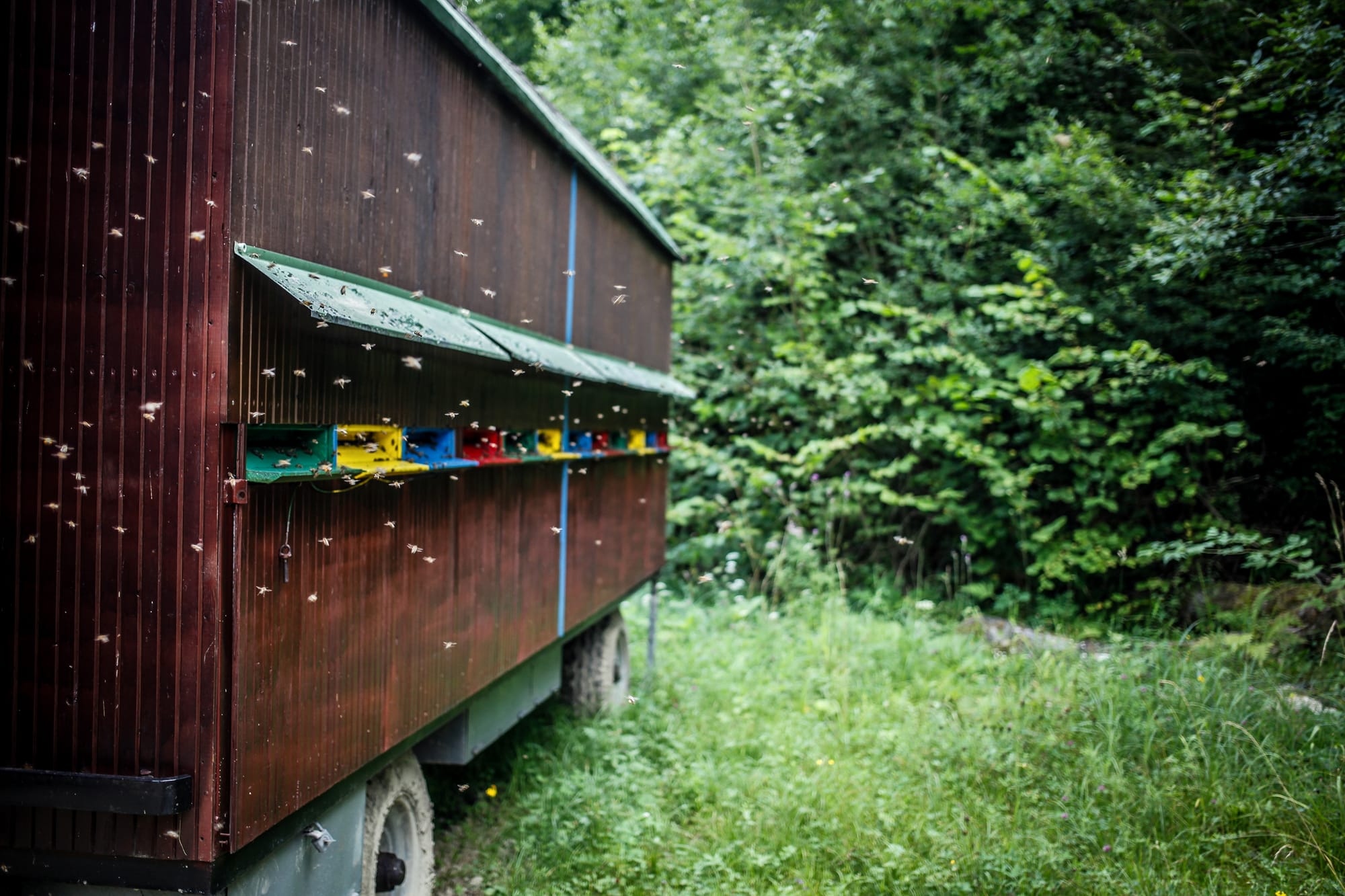
From a human perspective, the decision seems unusual. The bees abandon a resource created specifically to attract them—the nectar of flowers—and choose instead something that began as waste.
Why, in a single moment, does the nectar of mountain meadows lose its priority? Why does a food source that flowers produce precisely for pollinators suddenly become less valuable?
The answer has nothing to do with fragrance or beauty. The bee colony is governed by a strict economy of energy. Every forager must bring as much energy as possible back to the hive during her short life while spending as little energy as possible in the process.
Flower nectar consists largely of water. Once brought into the hive, it must be transformed through evaporation. Bees must fan their wings repeatedly until the watery nectar becomes a stable food capable of surviving through the winter.
Honeydew from fir trees is different. After spending hours and days exposed to wind and sunlight on the branches, the droplets have already become a concentrated sugar solution. The bees are not carrying home a raw material that still requires extensive processing. They are collecting something much closer to finished honey.
But the advantage goes beyond concentration.
The droplets began as sap moving through the body of the fir and then passed through the digestive system of an aphid. During this journey, their chemical composition changed. Alongside simple sugars, they contain more complex carbohydrates and traces of compounds rarely present in floral nectar.
They also carry part of the mineral wealth of the Carpathian soil: potassium, magnesium, iron, amino acids, and other substances drawn by the tree from the underlying rock, but not fully absorbed by the aphid.
For the bee colony, honeydew is not merely a source of energy. In favorable years, it is one of the richest nutritional resources the forest can provide.
The value of these droplets has not been recognized by bees alone.
For centuries, people have observed the phenomenon as well. Dark silver fir honeydew honey has long been considered one of the most valuable products of mountain beekeeping throughout the Carpathians.
Today, scientists at European universities and research institutions continue to study its unusual chemical composition, particularly its antibacterial properties, its potential role in supporting wound healing, and other biological effects. Some of these discoveries are already influencing medical applications, where honey and honey-derived substances are used in the development of advanced dressings for chronic and difficult-to-heal wounds.
Yet the story does not end with the collection of honeydew.
The bees do not simply gather it. They transform it.
What left the body of the aphid as waste becomes something entirely different after thousands of journeys between the fir forest and the hive.
When a forager returns from the canopy carrying her load of raw honeydew, a carefully organized process begins inside the hive. It is a collective transformation carried out by thousands of individuals, each performing a small but essential task.
The returning bee does not place the honeydew directly into the wax cells. Younger worker bees, whose role is to process and prepare food, are already waiting for her.
The droplet passes from one bee to another. It circulates through the colony, moving from mouth to mouth among many workers. With every transfer, enzymes from the bees’ saliva enter the liquid, gradually breaking down complex sugars into simpler forms. What was aphid waste only hours earlier slowly becomes a stable source of nourishment capable of lasting for months.
Even then, the transformation is not complete.
Raw honeydew contains too much water. To become honey, it must be concentrated. Each bee manipulates a small droplet, extending it onto the surface of her tongue and drawing it back again. She repeats the movement many times, exposing the liquid to the warm air of the hive. Water evaporates, and the honeydew gradually thickens.
When it reaches the right consistency, the bee deposits it into one of the hexagonal cells of the comb.
The final stage is drying.
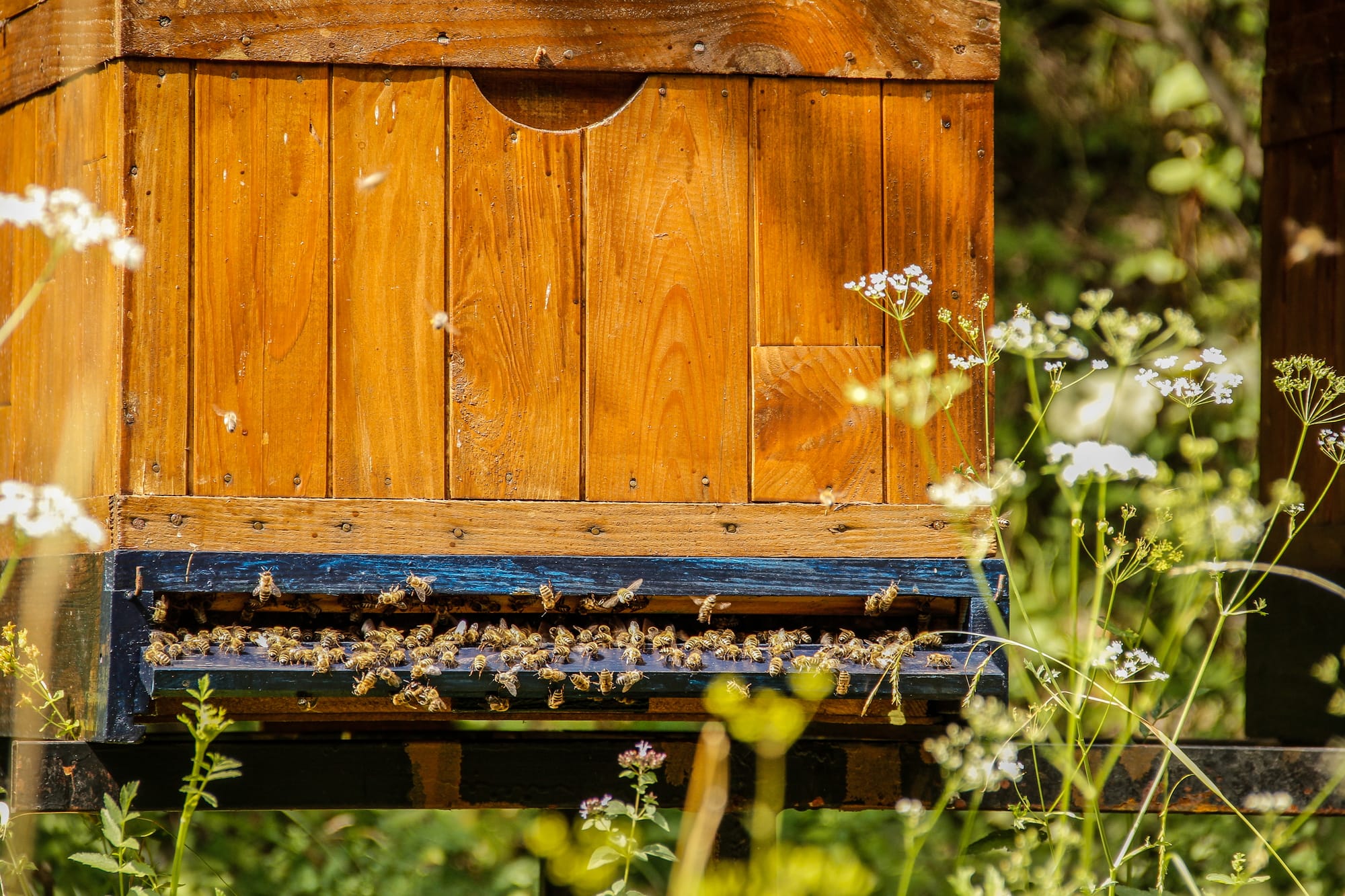
Hundreds of bees position themselves near the entrance of the hive and along the edges of the comb. With rapid movements of their wings, they create a current of air that removes the remaining moisture. They continue until their senses tell them that the honey has reached the correct maturity.
Only then does the sealing begin.
The bees use wax produced by their own bodies to create a thin protective layer over each filled cell.
The honey is ready to wait.
At that moment, the transformation is complete.
The light of the Carpathian forest, the water drawn from its soil, the energy captured by fir needles, the labor of aphids, and the work of thousands of bees are all preserved within a single drop of honey, hidden behind the wax seal of a hexagonal cell.
This year, tiny droplets appeared on the forest floor once again.
The tree did not create them for the bees.
The aphid did not produce them for humans.
Yet within that single drop, stone, roots, needle, insect, microorganism, bee, and human being have all become part of the same story.
Text: Vladimír Jenčurák, Photo: Tereza Sejková